Most people don’t think much about their plumbing when everything works properly. You turn on the shower, wash the dishes, start a load of laundry, and move on with the day. It’s only when the water turns cold halfway through a shower or a faucet begins dripping all night that the system suddenly gets your attention.
Plumbing problems can be inconvenient, but they don’t always mean something major has gone wrong. Sometimes a small repair is enough. Other times, the issue points to an aging component, poor water pressure, or equipment that no longer suits the household. Understanding these differences can help you make better decisions before a minor annoyance becomes a costly repair. Related: When Better Water Starts at Home: What Most People Don’t Know About Installing Water Systems
Hot Water Shouldn’t Be a Daily Guess
Few household comforts are missed as quickly as reliable hot water. Whether you’re taking a shower before work, washing dishes after dinner, or cleaning up after a long day, you expect the temperature to remain reasonably consistent. When it doesn’t, the cause may be a simple setting, a worn component, sediment buildup, or a more serious equipment problem.
Modern water heaters come in several forms, including conventional storage-tank models and tankless systems. Each has advantages, and the right option depends on the home’s size, water usage, available energy sources, and installation conditions. A small household with modest demand may have different requirements from a family where several showers, appliances, and faucets are used at once.
Before replacing a heater, consider what has actually gone wrong. If the water is taking longer to heat, check whether the problem occurs consistently or only during periods of heavy use. Unusual noises, visible corrosion, moisture around the unit, or repeated interruptions may indicate that professional attention is needed.
A qualified technician can inspect the system, explain the likely cause, and determine whether repair is sensible. If replacement is necessary, ask about capacity, energy efficiency, installation requirements, and warranty coverage. The lowest purchase price isn’t always the best long-term value, particularly when operating costs and expected service life are considered.
Small Fixture Problems Can Become Bigger Annoyances
A dripping kitchen faucet, a toilet that keeps running, or a showerhead that sprays unevenly may seem like minor inconveniences. Still, these problems can waste water, affect comfort, and become more frustrating the longer they’re left alone.
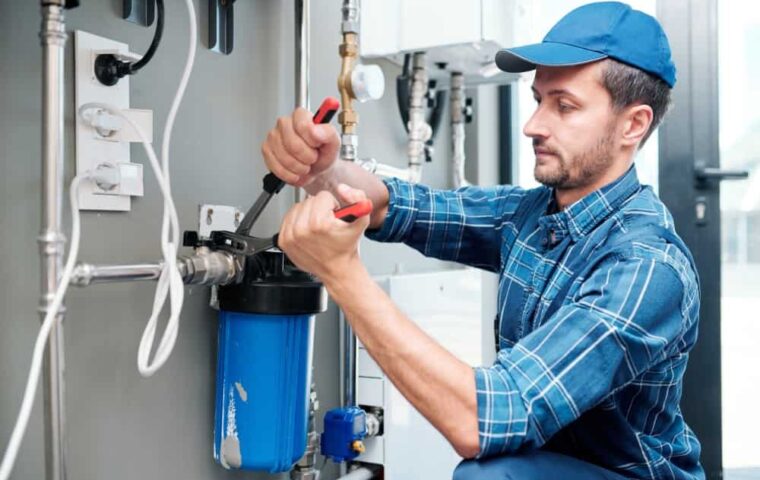
In many cases, fixture repair & replacement is a practical way to restore normal operation. A worn washer, faulty cartridge, damaged seal, or loose connection may be responsible for a leak. When the fixture itself is badly corroded, difficult to maintain, or repeatedly failing, replacing it may make more sense than paying for another repair.
The important step is finding the actual cause. Water appearing beneath a sink, for instance, could come from a supply connection, the drain assembly, or a leak in the faucet body. Tightening the first visible fitting might help, but it won’t solve the problem if the water is coming from somewhere else. Related: Reliable Water Treatment Starts With Good Service and the Right Advice
Pay attention to recurring symptoms. Does the faucet drip even when the handle is firmly closed? Does the toilet refill constantly? Is the shower temperature difficult to control? These details help a plumber narrow down the issue.
When requesting service, ask what needs repairing and whether replacement parts are readily available. A clear estimate should explain the work involved, the expected cost, and any warranty that applies. You should understand the proposed solution before the work begins, rather than discovering extra charges halfway through the job.
When Water Pressure Becomes a Problem
Water pressure is one of those things you barely notice until it changes. A shower that once felt refreshing may become a weak trickle, or a kitchen faucet may take far longer than usual to fill a pot. Sometimes the cause is local, such as a clogged aerator. In other cases, the issue may involve the plumbing system, supply conditions, or the elevation of the property.
Start with a few simple observations. Is the pressure low at every faucet or only one? Does it drop when another fixture is running? Has the change happened suddenly, or has it gradually become more noticeable? These clues can help distinguish a fixture problem from a broader supply issue. Related: How Better Water Can Help Your Household Appliances Last Longer
If several outlets are affected, a plumber may check for partially closed valves, clogged pipes, leaks, pressure-regulating equipment, or problems with the incoming supply. Homes with private wells may need a different assessment involving the pump and pressure tank.
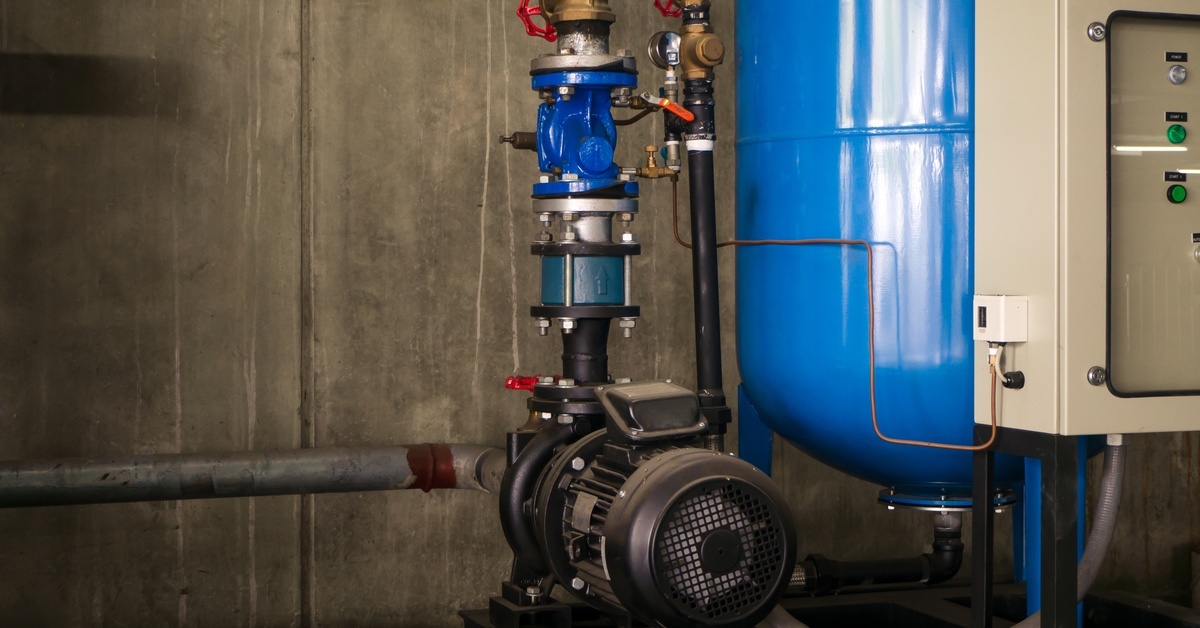
In some properties, booster pumps can help increase water pressure when the existing supply cannot meet the building’s needs. However, a pump isn’t a universal fix. The system must be selected according to the available supply, required flow rate, pressure requirements, and local plumbing regulations. Installing a pump without understanding the underlying issue can create additional problems or put unnecessary strain on equipment.
A professional assessment helps establish whether a booster pump is appropriate and what capacity would be suitable. It also helps ensure the installation includes the necessary controls and protective components.
Listen to What Your Plumbing Is Telling You
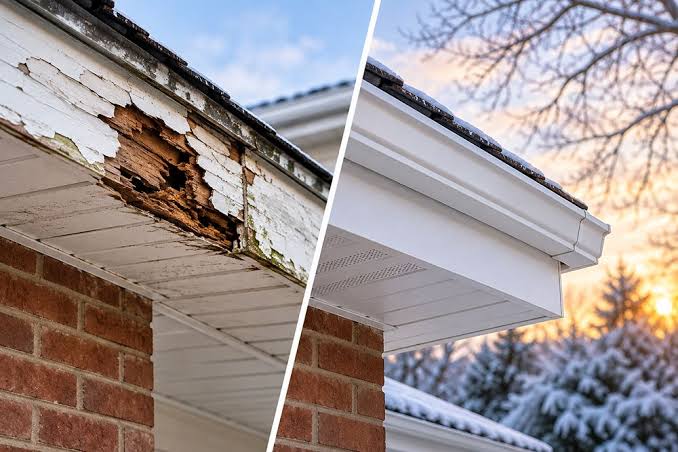
Plumbing systems often provide clues before a failure becomes obvious. A sudden increase in the water bill may suggest a hidden leak. Knocking sounds could point to pressure changes or loose pipes. Damp patches, peeling paint, and musty odors may indicate moisture behind walls or beneath flooring.
None of these signs proves a particular fault, but persistent changes deserve attention. If you suspect a hidden leak, avoid opening walls or disturbing structural materials without knowing where the water is coming from. A qualified plumber can inspect the system and use suitable testing methods to narrow down the source. Related: Why Better Water Starts With Understanding What’s in Your Home’s Supply
It’s also worth knowing where the main water shutoff is located. In a genuine leak or burst-pipe emergency, shutting off the supply—if it is safe to do so—can limit further damage while help is arranged. Keep the area around the valve accessible, especially if it is tucked away in a utility cupboard or garage.
Maintenance That Saves Time Later
Routine maintenance doesn’t need to become a complicated project. Check visible pipework occasionally, look beneath sinks for moisture, and clean faucet aerators when mineral deposits begin affecting flow. Follow the manufacturer’s instructions for maintaining water heaters and other plumbing equipment.
Don’t ignore slow drains that keep returning after basic cleaning. Repeated blockages may point to a deeper issue that needs proper investigation. Similarly, if a water heater begins leaking, develops visible corrosion, or produces inconsistent temperatures, arrange an inspection rather than waiting for a complete failure.
For older properties, periodic plumbing checks can be especially helpful. They provide an opportunity to identify worn connections, corrosion, or other developing concerns before they disrupt daily life. Related: Better Drinking Water Starts With the Right Filtration Choices
Choose Solutions That Fit Your Home
Good plumbing is about more than fixing what has already broken. It’s about maintaining a system that supplies water reliably, supports everyday routines, and doesn’t demand constant attention.
When a problem appears, start by identifying the symptoms and understanding the likely cause. Compare repair and replacement options, ask about operating costs, and make sure any recommended equipment is suited to your home’s needs. Professional advice is particularly valuable when the issue involves hot water, persistent pressure problems, or hidden leaks.
A little attention at the right time can make a real difference. With sensible maintenance and well-planned repairs, your plumbing can remain dependable in the background—right where it belongs.