Most home repair problems don’t arrive with much warning. A small stain appears near the ceiling, a floorboard starts to feel soft, or a patch of paint suddenly begins to bubble. At first, these things seem easy to ignore. Life gets busy, and it’s tempting to put off anything that doesn’t stop the house from functioning immediately. But moisture, damaged materials, and neglected exterior details can turn a minor inconvenience into a costly repair if they’re left too long.
Looking after a home doesn’t mean constantly renovating it. It means noticing changes, understanding what might be causing them, and taking sensible action before the damage spreads. Some repairs are simple enough to plan around a weekend, while others call for professional help. Knowing the difference can save time, money, and quite a bit of frustration.
Catch Water Problems Before They Spread
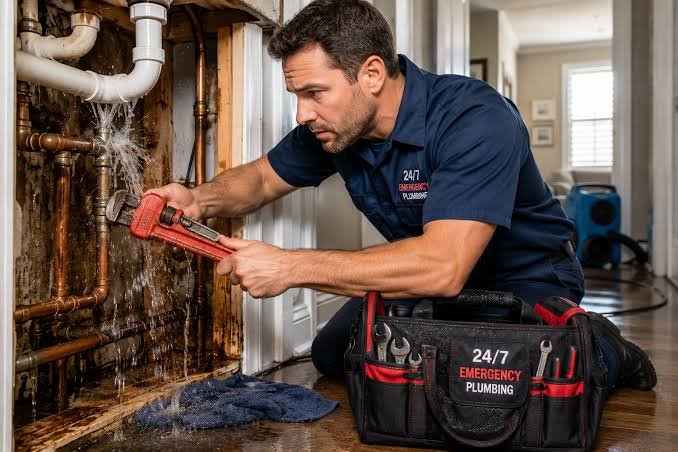
Water is one of the most common causes of hidden household damage. A slow leak beneath a sink, a poorly sealed shower, or a blocked drain may go unnoticed until flooring starts to warp or a musty smell develops. By then, the original problem may have affected more than one surface.
Regular plumbing & flooring repairs can help restore a safe, functional space when leaks or damaged materials begin affecting the home. If you notice a loose tile, a soft patch beneath your feet, or unexplained dampness around a bathroom fixture, investigate the cause rather than focusing only on the visible damage.
Start with a few simple checks. Look beneath kitchen and bathroom sinks for moisture, inspect exposed supply lines, and pay attention to changes in water pressure or drainage. Around toilets and showers, watch for persistent dampness, loose sealant, or discoloured flooring. A leak may be hidden behind a wall or beneath the floor, so recurring symptoms deserve professional attention. Related: When Plumbing Problems Strike, Experience Makes All the Difference
Flooring materials react differently to moisture. Timber may swell or buckle, laminate can lose its shape, and carpet may hold dampness long after the surface appears dry. Ceramic tile is generally durable, but damaged grout or a failing waterproofing layer can allow water to reach the underlying structure.
The important thing is to stop the source of moisture before replacing the damaged finish. Installing new flooring over a wet subfloor rarely solves the problem. It simply covers it up for a while.
Understand What Damaged Drywall Is Telling You
Drywall gives interior walls and ceilings a clean, smooth finish, but it isn’t immune to everyday accidents. Furniture bumps, door handles, loose fixtures, and moving boxes can leave dents or holes. Small imperfections are usually manageable, although the cause of the damage still matters.
Minor drywall damage can often be repaired with suitable filler, careful sanding, primer, and matching paint. Small nail holes and shallow dents are relatively straightforward. Larger holes may require a patch or replacement section, particularly when the surrounding board has become weak or crumbled.
Before beginning repairs, check whether the area is dry and structurally sound. A hole caused by a furniture impact is different from a section of ceiling that has become soft after a plumbing leak. Water-damaged drywall may need to be removed, and the leak must be fixed before new material is installed. Related: When Water Goes Wrong: Real-Life Fixes for Common Home Water Problems
Cracks deserve a little attention, too. Fine cracks near joints may develop as a building settles or materials expand and contract. However, cracks that continue to widen, return after repeated repairs, or appear alongside sticking doors and windows may indicate a broader issue. An experienced professional can help determine whether the problem is cosmetic or requires further investigation.
Once the cause is addressed, good preparation makes the finished repair much less noticeable. Apply materials in appropriate layers, allow them to dry fully, and sand carefully before painting. Rushing the job can leave a raised patch or visible difference in texture, especially when sunlight falls across the wall.
Don’t Overlook the Roofline and Soffits
When homeowners inspect their property, attention usually goes to the roof itself, windows, and doors. The underside of the roof overhang often gets less consideration, even though it plays a useful role in protecting the building.
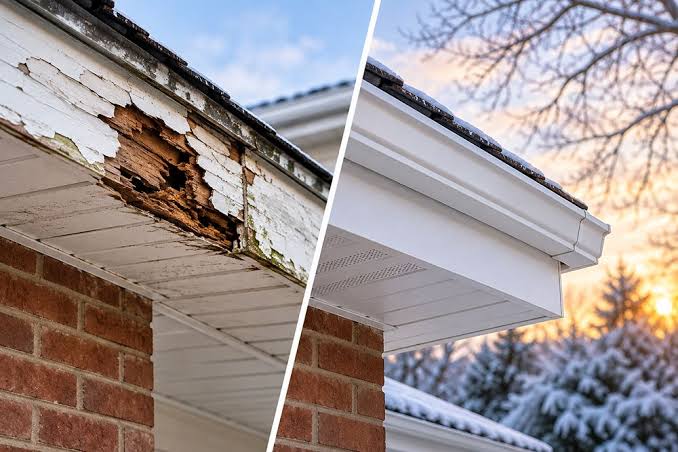
Recurring soffit issues may include peeling paint, loose panels, stains, cracks, or signs of animals and insects entering the roof space. Soffits can also form part of a home’s ventilation system, allowing air to move through the attic when the roof assembly is designed for that purpose.
Look at the eaves from the ground and use binoculars if necessary. Check for sections that appear to sag, gaps between panels, and areas where paint has deteriorated. Don’t climb onto a roof or use an unstable ladder simply to get a closer look. Roofline work can involve significant fall risks, so arrange a professional inspection when damage is difficult to assess safely. Related: Why Better Water Starts With Understanding What’s in Your Home’s Supply
Moisture stains around soffits may point to a roof leak, blocked gutter, or damaged flashing farther up the roofline. Replacing a stained panel without identifying the source can lead to the same problem returning. Similarly, sealing ventilation openings without understanding their purpose can interfere with attic airflow.
Timely maintenance helps protect fascia boards, roof edges, and nearby building materials. It can also prevent small openings from becoming access points for pests. If the panels are badly deteriorated or the surrounding wood feels soft, have the area assessed before deciding whether repair or replacement is appropriate.
Look Beyond the Visible Surface
One of the most useful habits a homeowner can develop is paying attention to changes rather than waiting for something to fail completely. A new ceiling stain, a persistent musty odour, or a floor that feels different underfoot may reveal an issue that isn’t immediately visible.
Take photographs when a problem first appears. This creates a simple record that can help you see whether a crack is widening or a stain is spreading. It also gives a contractor useful information when explaining the issue. Related: It Starts with the Water: Why Installing a Softener Changes More Than You Expect
Be cautious about quick cosmetic fixes. Fresh paint won’t stop a leak, caulk won’t repair rotted wood, and new flooring won’t stabilize a damaged subfloor. Cosmetic work has its place, but it should follow any necessary repairs to the underlying material.
It’s equally important to know your limits. Basic maintenance and small surface repairs may be suitable do-it-yourself projects, but electrical hazards, structural concerns, extensive water damage, and work at roof height require appropriate expertise. Professional assessment can be particularly valuable when the cause isn’t obvious.
Create a Simple Home Maintenance Schedule
A practical maintenance routine doesn’t need to be complicated. Set aside time every few months to inspect plumbing connections, look for changes in flooring, check ceilings for stains, and examine accessible exterior areas. After heavy rain or severe weather, take another look for new leaks or visible damage.
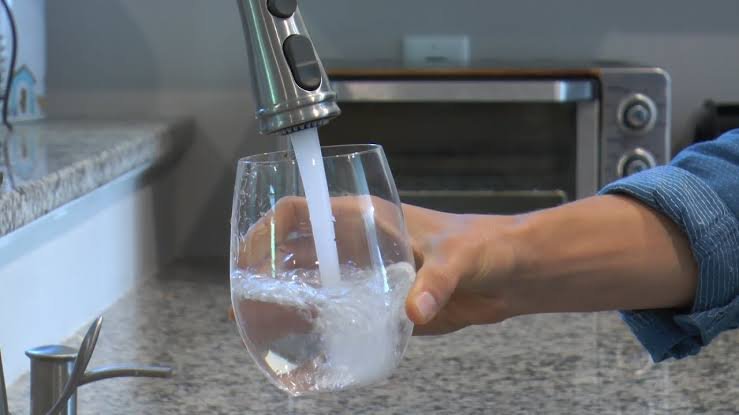
Keep gutters clear where it’s safe to do so, ensure bathroom ventilation works properly, and repair deteriorating exterior sealant before water finds its way behind it. If you hire a professional, ask what caused the problem and what maintenance could reduce the chance of it happening again. Related: Understanding Sediment, Chlorine, and Contaminants in Your Home’s Water
Budgeting for repairs also helps. Even a small reserve can make it easier to respond promptly instead of postponing work until the next payday. Keep receipts and records of completed repairs, especially where plumbing leaks or recurring moisture problems are involved.
A Little Attention Goes a Long Way
Every home develops wear over time. The goal isn’t to prevent every scratch or eliminate every imperfection; it’s to recognize the problems that can affect safety, comfort, and the long-term condition of the property.
Pay attention to water, investigate unexplained wall damage, and keep roofline components in good condition. Fix the underlying cause before investing in new finishes, and bring in qualified help when the work goes beyond routine maintenance.
A home that receives regular care is easier to live in and often less expensive to maintain over the years. More importantly, small, timely repairs provide peace of mind. You can enjoy your space without wondering whether that little stain, loose panel, or soft floorboard is quietly becoming something much bigger.