Most people don’t think about their water treatment equipment when everything is working properly. The water tastes fine, the appliances are running, and there’s no stubborn mineral buildup around the faucets. Life goes on. But when a filter stops performing, a softener runs out of salt, or a commercial system develops a problem during a busy workday, water quality suddenly becomes a much bigger concern.
These situations are a useful reminder that choosing the right equipment is only part of the process. Keeping it working properly matters just as much. Whether you’re a homeowner looking for more reliable drinking water or a business owner who depends on consistent water quality, regular care can help prevent avoidable problems and unexpected expenses.
The trick is finding a practical approach that fits your property, your water usage, and your budget. With a little planning and dependable professional support, water treatment doesn’t have to be another thing constantly demanding your attention.
Why Regular Water Treatment Service Matters
Water treatment equipment works behind the scenes, which makes it easy to overlook. Filters collect particles, softeners go through regeneration cycles, and other systems rely on components that gradually wear out. Even a quality system can lose performance when maintenance is ignored.
Regular service, maintenance, and repairs help keep equipment operating as intended. Routine inspections may identify worn components, clogged filters, incorrect settings, or small leaks before they develop into larger issues. They also provide an opportunity to check whether the equipment still matches the property’s water needs.
Consider a household that notices white mineral deposits returning around the shower. The immediate assumption might be that the water softener has reached the end of its life. In reality, the system could simply need attention, have an incorrect setting, or be experiencing a problem with its regeneration cycle. A proper inspection can help determine what’s actually happening. Related: Home Repairs Worth Tackling Early to Prevent Bigger Problems Later
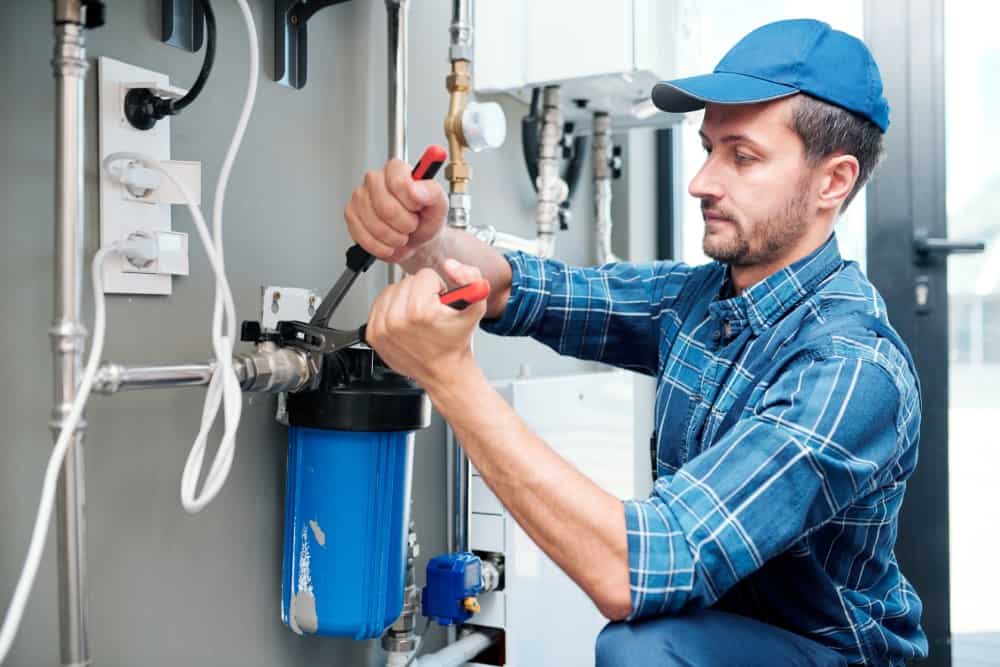
The same principle applies to drinking water filters. If water begins flowing more slowly or develops an unfamiliar taste, replacing the appropriate filter may resolve the issue. However, unusual changes should be investigated rather than automatically attributed to routine filter wear.
Consistent maintenance isn’t about fixing equipment that isn’t broken. It’s about understanding how the system performs and giving it the attention needed to remain dependable.
Commercial Properties Have Different Water Needs
For businesses, water quality can affect far more than convenience. Restaurants depend on water for food preparation, beverages, cleaning, and dishwashing. Hotels use it across guest rooms and laundry facilities, while offices need reliable drinking water for employees and visitors. Manufacturing and other industrial operations may have highly specific water requirements.
That is why commercial water treatment systems should be selected according to the property’s operations, water quality, and expected demand. A system designed for a small office may not provide enough capacity for a busy restaurant. Likewise, equipment suitable for reducing hardness may not address a contaminant that affects a particular industrial process.
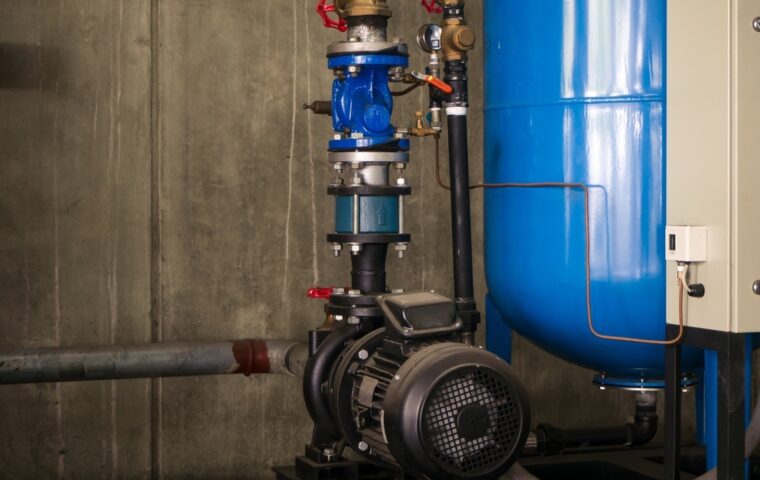
Commercial systems can include filtration, softening, reverse osmosis, and other specialized treatment technologies. The appropriate combination depends on testing results and the purpose of the treated water. Equipment specifications, required flow rates, and maintenance access all deserve attention before installation.
Businesses should also think about what happens when something goes wrong. A malfunctioning system can interrupt routine operations, create additional cleaning demands, or affect the quality of water used in certain processes. Having a clear maintenance plan and knowing whom to contact for service can reduce confusion when a problem appears. Related: When Better Water Starts at Home: What Most People Don’t Know About Installing Water Systems
For facilities with demanding water requirements, periodic testing can help confirm that the treatment system is performing as expected. This is particularly important when water quality affects product consistency, equipment protection, or regulatory obligations.
Recognizing Problems Before They Become Expensive
Water treatment issues don’t always announce themselves with a dramatic leak or complete equipment failure. Often, the early signs are fairly subtle.
You might notice that soap doesn’t lather as easily, mineral spots begin appearing on glassware, or the water dispenser takes longer than usual to fill a glass. A commercial property might experience increased scale on equipment or a change in water quality that staff struggle to explain.
These observations don’t necessarily identify the cause, but they provide useful clues. Keep track of when the problem began and whether anything changed around the same time, such as a filter replacement, plumbing repair, or increase in water usage.
A sudden change in taste, color, or odor deserves particular attention. Contact your water supplier if you use municipal water, and arrange appropriate testing if the cause isn’t clear. If contamination is suspected, don’t rely on a standard filter unless it is specifically designed and verified to address the concern. Related: From Faucets to Filters: Making Home Water & Air Systems Work for You
Small maintenance tasks can also prevent unnecessary trouble. Check the manufacturer’s recommended service intervals, look for visible leaks, and make sure replacement filters are compatible with the equipment. For salt-based softeners, follow the recommended salt type and operating instructions.
The goal is to catch problems while they’re manageable, not wait until equipment stops working altogether.
Choosing a Provider You Can Trust
Finding someone to install or maintain water treatment equipment shouldn’t feel like a guessing game. The provider should be able to explain what the equipment does, why it suits your situation, and what kind of upkeep it requires.
Look for a company that asks about your water concerns before recommending a system. If hardness is the problem, testing and a discussion of softening options may be appropriate. If you’re worried about a specific contaminant, the provider should explain what testing is needed and identify equipment with suitable performance claims.
This is where honest recommendations make a real difference. You deserve clear information about the advantages, limitations, and ongoing costs of a proposed solution. A reliable professional should also be willing to explain when a repair may be more sensible than replacing the entire system.
Ask for an estimate that separates equipment, installation, and recurring maintenance expenses. Find out whether replacement parts are readily available and what support is offered if the system develops a fault. For commercial properties, ask about service response arrangements and whether maintenance can be scheduled around operating hours.
Good communication matters, too. Technical information is useful only when you can understand it and make a confident decision based on it. Related: When Appliances Break, Who Do You Trust? A Homeowner’s Guide to Real Repairs, Real People
Plan for Maintenance Before You Need It
Waiting until a system fails can create unnecessary stress. A better approach is to establish a maintenance schedule based on the manufacturer’s instructions, the quality of your water, and how heavily the equipment is used.
Keep a record of filter changes, inspections, repairs, and any unusual performance issues. For businesses with several treatment units, a simple maintenance log can help staff track which equipment needs attention and when supplies should be reordered.
It’s also worth reviewing the system occasionally to make sure it still meets your needs. A growing business may require additional capacity, while a household might need a different setup after renovations or changes in water consumption.
Budgeting for maintenance is often easier than dealing with unexpected expenses. Replacement filters, routine inspections, and planned servicing are predictable costs that can be included in household or business budgets.
No system lasts forever, of course. When replacement eventually becomes necessary, maintenance records can help you understand the equipment’s history and make a more informed choice about what should come next. Related: A Real Talk About Water Filters, Softening Systems, and What Your Tap’s Not Telling You
Make Water Quality Easier to Manage
Reliable water treatment comes down to more than selecting a product from a catalogue. It involves understanding your water, choosing suitable equipment, and maintaining that equipment throughout its working life.
For homeowners, this can mean fewer frustrating water-quality issues and greater confidence in everyday use. For businesses, it can support smoother operations, more predictable maintenance, and better planning around equipment costs.
Start by paying attention to changes in water quality, arranging testing when appropriate, and asking clear questions about your treatment options. Then build a maintenance routine that makes sense for your property rather than relying on last-minute fixes.
With the right equipment and dependable support, water treatment becomes much easier to manage. Instead of reacting to every problem as it appears, you can take a steady, informed approach that protects your investment and helps keep daily life running smoothly.