There’s something we all expect from drinking water: it should taste clean, feel fresh, and be something we can reach for without thinking twice. Yet the water coming into a home can contain minerals, chlorine, sediment, or other substances that affect taste and everyday use.
That doesn’t necessarily mean the water is unsafe. It simply means water quality can vary, and the best treatment approach depends on what’s actually present.
This is where good information matters. Instead of buying a filter because it happens to be popular, homeowners can start by understanding their water source, testing the water, and deciding what they want the treatment system to accomplish.
A little thought at the beginning can save a lot of frustration later.
Start With a Water Quality Assessment
Before choosing equipment, find out what you’re dealing with.
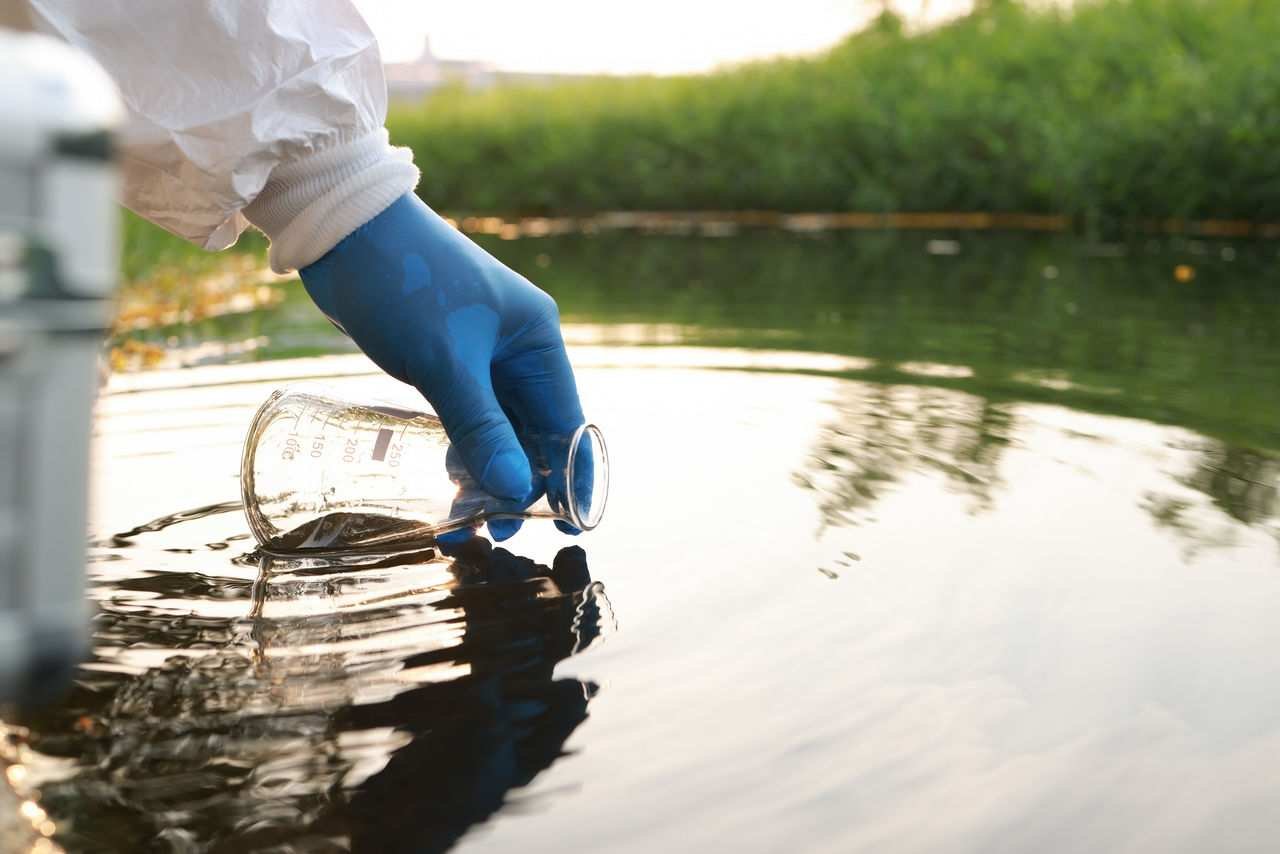
A water test can reveal hardness, pH, chlorine, iron, sediment, and other characteristics. For homeowners with private wells, testing is particularly useful because groundwater conditions can change over time. Related: Why Better Water Starts With Understanding What’s in Your Home’s Supply
Municipal water can have its own considerations too. Treatment at the utility doesn’t necessarily mean every household will like the taste or experience identical water quality at the tap.
A professional consultation can help turn test results into practical decisions. Instead of simply recommending the most expensive system, a knowledgeable professional should explain which treatment methods address the specific issues identified in your water.
That conversation can be surprisingly useful, especially when filtration terminology starts sounding like another language.
Not Every Filter Does the Same Thing
One common mistake is assuming that all water filters work the same way.
They don’t.
Sediment filters are designed to capture suspended particles. Activated carbon filters are often used to reduce chlorine and improve taste and odor. Water softeners address hardness minerals such as calcium and magnesium. Reverse osmosis systems use a membrane to reduce many dissolved substances.
Each technology has a particular purpose.
If your main problem is chlorine taste, you may not need a complicated reverse osmosis system. If hardness is causing scale throughout the home, a small drinking-water filter won’t solve the problem at every faucet.
Choosing the right technology starts with identifying the actual problem.
Why Drinking Water Deserves Special Attention
Many homeowners aren’t concerned about treating every drop of water entering the house. Their main priority is what they drink and cook with.
That’s where point-of-use filtration can make sense.
An under-sink system, for example, can provide treated water at a dedicated kitchen faucet without requiring a whole-home installation. Depending on the technology, it can target taste, odor, sediment, or specific contaminants. Related: It Starts with the Water: Why Installing a Softener Changes More Than You Expect
For smaller households, apartments, or homes where drinking-water quality is the primary concern, this can be a practical solution.
The goal isn’t to create a complicated water-treatment setup. It’s simply to make the water you use most important for drinking better suited to your preferences and needs.
The Value of Clean, Great-Tasting Water
Taste matters more than people sometimes admit.
Water can be technically acceptable while still having a noticeable chlorine taste or mineral flavor. When the water tastes unpleasant, people may reach for bottled drinks instead, which adds expense and creates more plastic waste.
A properly selected filtration system can improve the sensory quality of tap water and make it more appealing for everyday drinking. Related: When Better Water Starts at Home: What Most People Don’t Know About Installing Water Systems
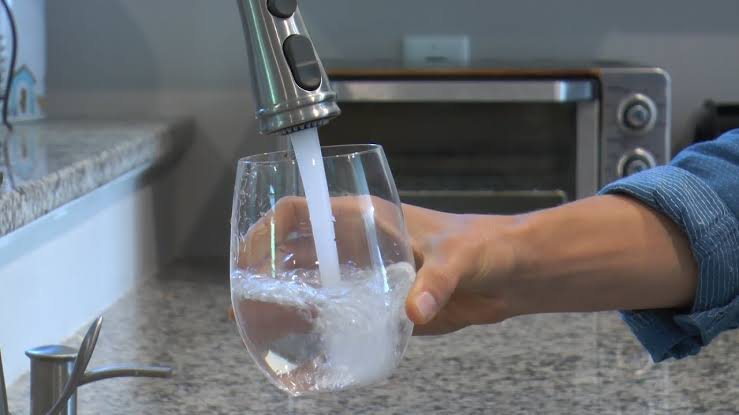
The result can be wonderfully simple: clean, great-tasting water available whenever you turn on the kitchen faucet.
And there’s a practical side to it. When water tastes good, drinking enough throughout the day becomes less of a chore.
What Happens After Installation?
Installing a filtration system is only part of the process.
Filters have a limited service life. Membranes need replacement. Connections should occasionally be inspected. Some systems require sanitization or other maintenance tasks.
This is why ongoing maintenance matters.
A filter that’s been forgotten for far too long may not perform the way it did when it was new. In some cases, clogged filters can also reduce water flow.
Keep a simple record of installation and filter-change dates. Set reminders on your phone. It takes less than a minute and can prevent the classic “I think I changed that filter sometime last year” problem.
Don’t Ignore Changes in Your Water
Once a filtration system is installed, pay attention to what comes out of the tap.
A sudden change in taste, odor, pressure, or appearance is worth investigating. It may be something simple, such as a filter reaching the end of its service life. It could also indicate a plumbing or water-source issue.
Homeowners using well water should be especially attentive because groundwater conditions can change.
Regular testing is a good habit, particularly when there’s a noticeable change or when recommended by local health authorities or water professionals. Related: Understanding Sediment, Chlorine, and Contaminants in Your Home’s Water
Think About Long-Term Costs
When comparing filtration systems, don’t look only at the purchase price.
Consider installation, replacement filters, maintenance, electricity requirements, water consumption, and expected service life.
A system that costs less upfront may require frequent replacement cartridges. Another system may have a higher initial price but lower operating costs.
Ask questions before purchasing. How often do filters need changing? Are replacement parts easy to find? Does the system require professional servicing? How much treated water can it produce?
These details matter far more over five years than the appearance of the equipment on day one.
When Professional Help Makes Sense
Some filtration systems are relatively straightforward to install. Others involve plumbing modifications, drainage connections, electrical components, or specific pressure requirements.
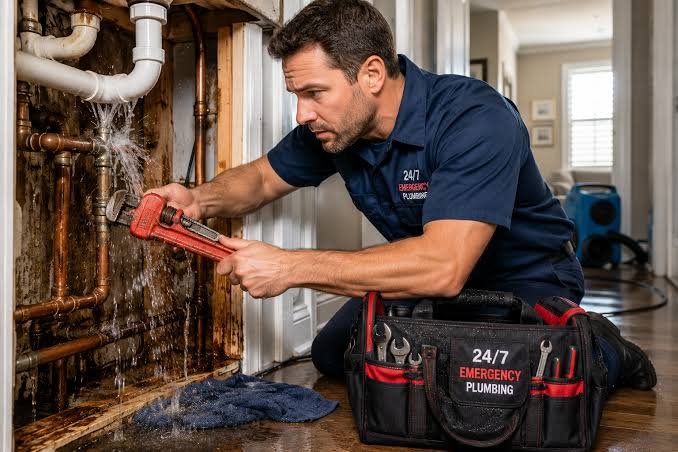
If you’re unsure, professional installation can prevent unnecessary leaks and performance problems.
A qualified installer can also check whether the home’s existing plumbing is suitable for the equipment and make sure shut-off valves and connections are accessible. Related: A Clearer Kind of Clean: Why More Homeowners Are Turning to Hydrogen Peroxide for Better Well Water
It isn’t about making every water project complicated. It’s about knowing when a job has enough moving parts that experience becomes useful.
A Smarter Way to Approach Water Treatment
The best water filtration decision usually starts with a question, not a product.
What is actually wrong with the water?
Once you know the answer, the choices become clearer. Maybe you need carbon filtration. Perhaps hardness requires a softener. Maybe a reverse osmosis system makes sense for drinking water. Or, surprisingly, you may discover that your current water is perfectly fine and only needs a minor improvement in taste.
Good water treatment isn’t about chasing the newest technology. It’s about matching the solution to the need, maintaining it properly, and keeping expectations realistic.
Do that, and the payoff is simple. Better water at the tap, fewer unpleasant surprises, and one less household problem competing for your attention.