Water is one of those things most people don’t think about until something seems wrong. Maybe there’s a strange taste in your morning coffee, spots on freshly washed dishes, or a faint smell when you turn on the tap. None of these issues necessarily mean your water is unsafe, but they can be signs that your home’s water deserves a closer look.
Good water isn’t simply about whether it looks clear in a glass. Minerals, chlorine, sediment, metals, microorganisms, and other substances can affect how water tastes, smells, behaves around the house, and sometimes how suitable it is for drinking. Understanding those differences is the first step toward making smarter choices about filtration and treatment.
What Actually Affects Water Quality?
When people talk about water quality, they’re often thinking about safety first. That makes sense, but quality is broader than that.
Water quality can be influenced by where your water comes from, the condition of local infrastructure, household plumbing, and naturally occurring minerals. Municipal water and private well water can have very different characteristics. Even two homes in the same neighborhood may notice different issues because their plumbing systems, fixtures, or water sources aren’t identical. Related: Better Drinking Water Starts With the Right Filtration Choices
Hard water is a common example. Calcium and magnesium aren’t usually considered dangerous at typical levels, but they can leave mineral deposits on faucets, shower doors, and appliances. Over time, scale can make plumbing fixtures look tired and may affect water-using equipment.
Then there’s chlorine, which is commonly used to disinfect public water supplies. While it plays an important role, some households don’t love its smell or taste. Sediment can also enter water through aging infrastructure or private wells, creating cloudy-looking water or tiny particles.
The point is simple: clear water isn’t necessarily perfect water, and unusual-looking water isn’t automatically dangerous. Testing helps separate assumptions from facts.
Why Testing Should Come Before Buying a Filter
It’s tempting to walk into a store, pick a popular filter, and hope it solves the problem. Sometimes it does. Other times, you spend money on equipment that wasn’t designed for what you’re actually dealing with.
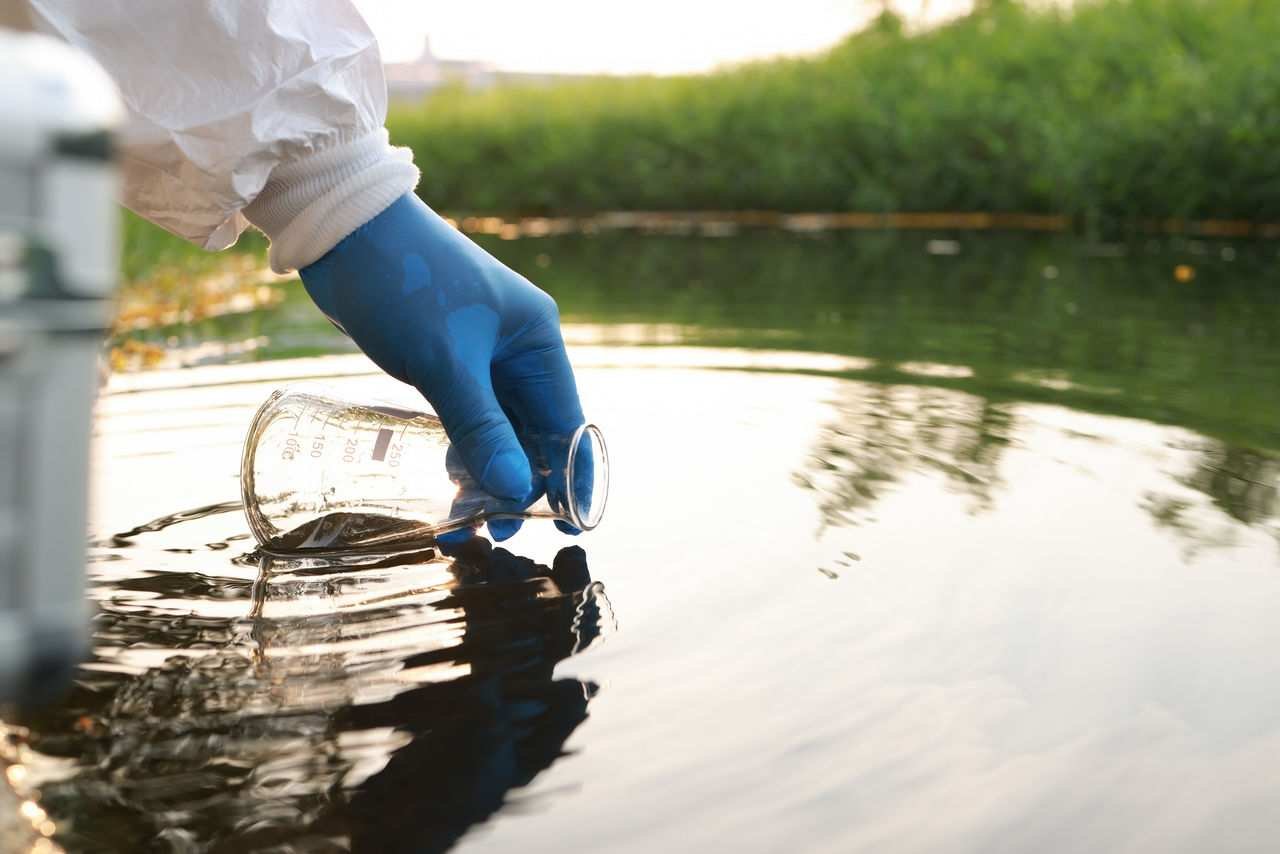
A basic water test can provide useful information about hardness, pH, iron, manganese, chlorine, total dissolved solids, and other characteristics. Depending on the water source and local concerns, more detailed testing may be appropriate. Related: When Better Water Starts at Home: What Most People Don’t Know About Installing Water Systems
This matters because different treatment technologies do different jobs.
A sediment filter can capture particles. Activated carbon can reduce chlorine and improve taste and odor. Water softeners are designed primarily to address hardness minerals. Reverse osmosis systems can reduce a broad range of dissolved substances from drinking water, depending on the specific system and membrane.
There isn’t one magical filter that does everything. Water treatment works best when the technology matches the actual problem.
The Everyday Difference Cleaner Water Can Make
Once unwanted substances are properly addressed, the benefits can show up in surprisingly ordinary places.
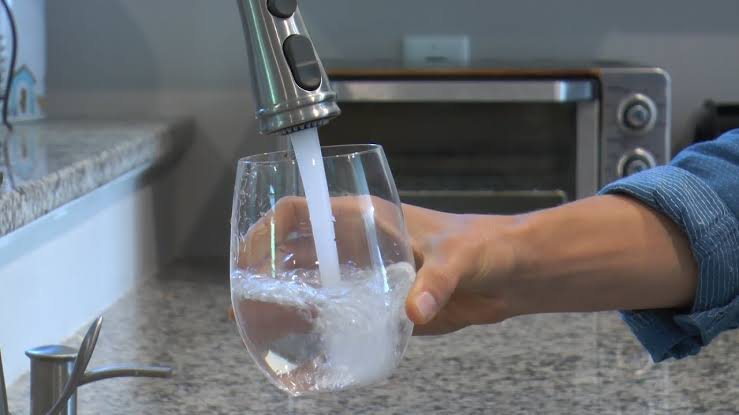
Think about the morning routine. You fill the kettle, make coffee, rinse fruit, wash a glass, and take a drink from the tap. When the water smells or tastes unusual, you notice it even if you don’t consciously think about why.
For many homeowners, cleaner water simply makes daily life feel more comfortable. Faucets may stay cleaner, showers can feel better, and drinking water may become more appealing. Of course, the exact benefits depend on what was present in the water and which treatment system is installed.
There can also be practical advantages for appliances. Reducing hardness-related scale may help protect water heaters, dishwashers, washing machines, and other equipment from mineral buildup. That doesn’t mean a treatment system eliminates every maintenance problem, but it can address one contributing factor. Related: Understanding Sediment, Chlorine, and Contaminants in Your Home’s Water
Taste Matters More Than People Think
Water doesn’t have to be unsafe to be unpleasant.
A metallic taste, chlorine odor, or earthy flavor can make people reach for bottled water instead. That’s a frustrating habit, especially when the water coming into the home is already treated and potentially suitable for drinking.
Filtration can sometimes make a noticeable difference.
For households dealing with taste or odor concerns, better tasting water can encourage people to drink more water throughout the day. Cold water from the refrigerator may suddenly taste fresher. Coffee and tea can taste different too, because water is a major ingredient in both.
But taste is subjective. What one person barely notices, another person may find unbearable. That’s another reason to test the water and identify the source of the problem instead of choosing equipment based purely on advertising.
Whole-Home Filtration or Drinking Water Treatment?
This is where homeowners often get confused.
A whole-home system treats water as it enters the property, meaning treated water can reach showers, sinks, laundry areas, and other fixtures. This approach can make sense when the concern affects the entire household supply.
Point-of-use systems, on the other hand, focus on a specific tap or appliance. A reverse osmosis system installed under the kitchen sink is a common example. It can provide highly treated drinking and cooking water without requiring every gallon used for bathing or laundry to pass through the same process. Related: Why Your Water Smells Strange and What It Could Be Trying to Tell You
Neither approach is automatically better.
If your main concern is drinking water, a point-of-use solution may be enough. If hardness, sediment, chlorine, or other issues are affecting the whole house, a broader treatment setup could make more sense. Some homes use a combination of technologies because different problems require different solutions.
Don’t Forget Maintenance
Even a well-designed water treatment system needs attention.
Filters eventually become saturated. Softener media needs regeneration or replenishment. Reverse osmosis membranes have a service life. Tanks, fittings, and other components should also be inspected periodically.
Skipping maintenance can reduce performance and, in some cases, create new problems. A filter that’s overdue for replacement isn’t doing its job simply because it’s still sitting inside the housing.
Keep track of replacement schedules, follow the manufacturer’s instructions, and pay attention to changes in taste, pressure, odor, or appearance. Those little clues can tell you when something needs checking. Related: Why Smarter Water Systems Are Becoming an Essential Part of Modern Homes
Choosing a Water Treatment System With Confidence
The best water treatment decision usually isn’t the most expensive one. It’s the one that addresses the actual needs of the household.
Start with the water source. Test the water. Identify the specific concerns. Then compare technologies based on what they are designed to remove or reduce, how much water your household uses, installation requirements, ongoing maintenance, and total cost over time.
If you’re unsure, a qualified water treatment professional can help interpret test results and explain realistic options. Be cautious of anyone who immediately recommends a complicated system without first asking about your water.
At the end of the day, good water treatment isn’t about chasing perfection. It’s about knowing what’s coming out of your tap and making thoughtful improvements where they genuinely matter. Once you understand your water, choosing the right solution becomes much less mysterious — and a whole lot easier.