Water is one of those things we assume should just work. Turn the tap, fill a glass, move on with your day. But if you’ve ever noticed a metallic aftertaste, chalky residue on faucets, or cloudy water after heavy rain, you already know it’s not always that simple.
The tricky part? Every home’s water is different.
Two houses on the same street can have different plumbing materials, different pressure levels, and slightly different water quality experiences. That’s why the idea of installing a generic filter and calling it done often falls short. What works beautifully for one household may barely scratch the surface for another.
This is where thoughtful planning — and sometimes custom filtration solutions — start to matter.
Start With the Reality of Your Water
Before diving into equipment options, it’s worth pausing and asking a simple question: what’s actually happening in your water?
Is it hardness from calcium and magnesium? A chlorine taste lingering from municipal treatment? Sediment from well water after seasonal changes? Each issue requires a different response.
Testing your water is the smartest first move. It doesn’t have to be elaborate — even a basic lab test or municipal report review can provide clarity. Once you know what’s present, decisions feel less overwhelming.
And honestly, it feels good to work from facts instead of assumptions.
Why Generic Solutions Often Miss the Mark
Walk into a hardware store and you’ll see shelves of filtration products promising cleaner, safer, better-tasting water. Some of them work well — in the right conditions.
But if your water contains high levels of sediment, a simple carbon filter won’t solve the problem. If hardness is the primary issue, filtration alone won’t prevent scale buildup inside your water heater.
That’s why a tailored approach often works better. Instead of stacking random devices under your sink, you choose components designed to address your specific concerns.
A well-designed system feels intentional, not improvised.
Integrating Filtration Into the Whole Home
When people think about filtration, they usually imagine the kitchen faucet. But water flows through every part of the house. Showers. Washing machines. Dishwashers. Ice makers.
True improvement often comes from thoughtful system integration — ensuring that the right treatment occurs at the right point in your plumbing.
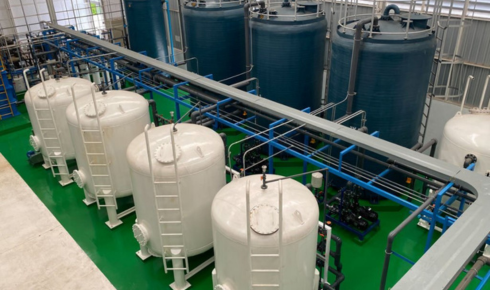
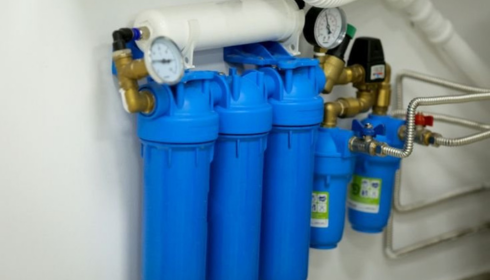
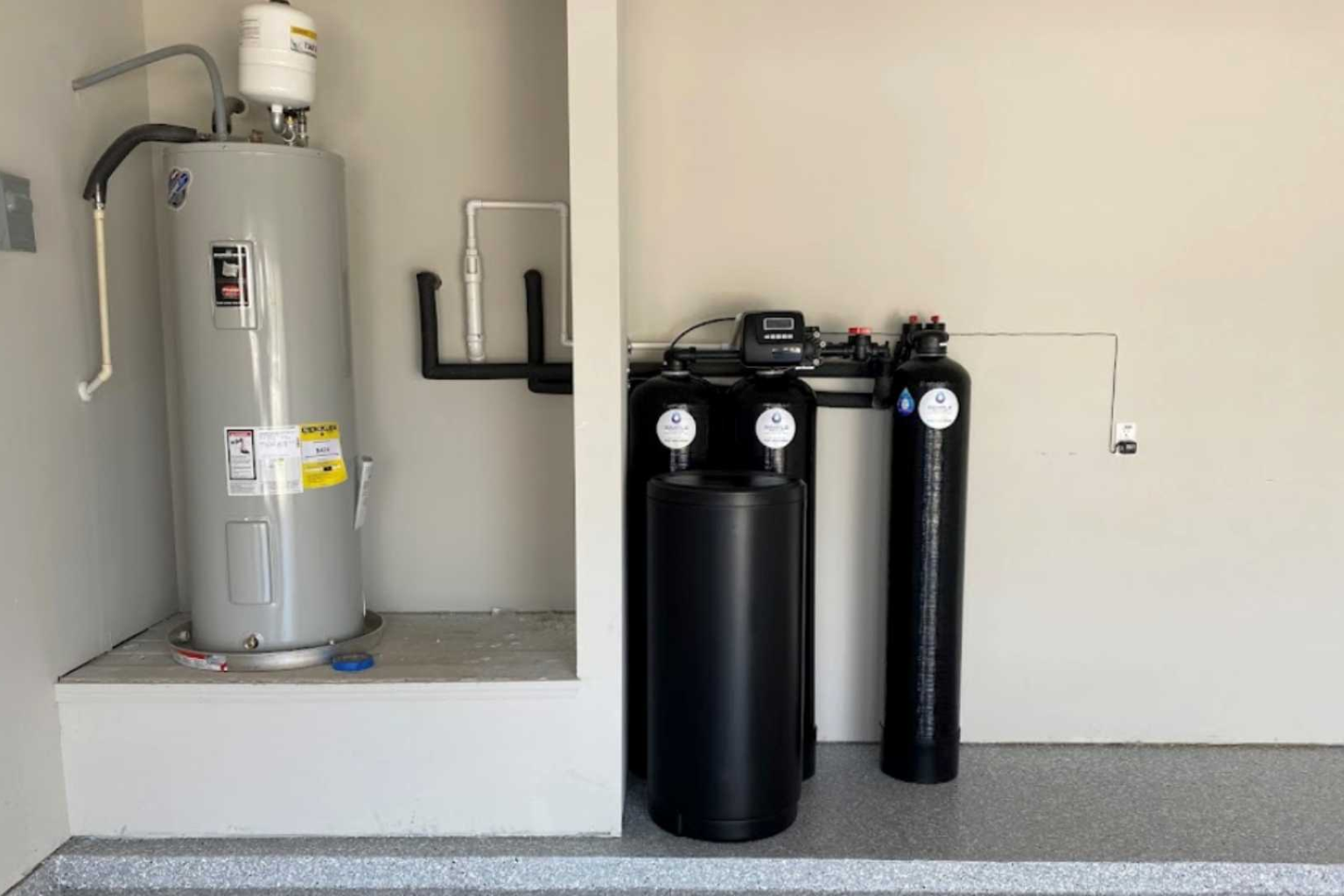
For example, sediment filters may be installed at the main entry point to protect appliances. A water softener might follow to reduce mineral buildup. A reverse osmosis unit could serve drinking water specifically.
Each layer has a purpose. Together, they create a cohesive solution.
Integration isn’t about complexity for its own sake. It’s about efficiency and harmony within your plumbing system.
Maintenance Is Part of the Plan
No matter how advanced or customized your setup is, it won’t maintain itself. That’s where filter maintenance becomes essential.
Filters clog. Media degrades. Resin beds eventually lose effectiveness. Ignoring these realities can reduce performance and, in some cases, compromise water quality.
The good news? Maintenance doesn’t have to be burdensome. Most systems follow predictable schedules — every few months or annually, depending on usage and water conditions.
Setting reminders, keeping spare filters on hand, and occasionally checking pressure or flow rates go a long way.
Consistency beats perfection.
The Balance Between Simplicity and Effectiveness
One common misconception is that customized means complicated. It doesn’t have to.
In fact, tailored systems often simplify things. Instead of stacking multiple redundant products, you install exactly what’s needed — nothing more, nothing less.
That efficiency can reduce long-term costs and streamline upkeep.
The goal isn’t to create the most advanced system on the block. It’s to solve real problems in a sustainable way.
Cost Considerations Without the Hype
Water treatment equipment isn’t free. Installation, components, and replacement parts all factor into the equation.
But cost alone shouldn’t guide the decision. Think long-term. Reduced appliance wear. Lower energy bills when scale buildup decreases. Less bottled water. Fewer plumbing service calls.
These small savings accumulate quietly.
And then there’s comfort — the intangible benefit of turning on any tap in your home without hesitation.
When to Seek Professional Guidance
If your water concerns are complex — high iron levels, fluctuating well water conditions, or multiple overlapping issues — consulting a professional can help.
A knowledgeable technician can evaluate your plumbing layout, water pressure, and test results to recommend a balanced approach.
It’s not about upselling. It’s about avoiding mismatched solutions.
A Thoughtful Investment
At the end of the day, water touches nearly every daily routine. Cooking, cleaning, bathing, drinking. Improving it doesn’t require chasing every new technology.
It requires understanding your home, your priorities, and your water’s unique characteristics.
When filtration is tailored thoughtfully and maintained consistently, it fades into the background — quietly supporting your home without demanding constant attention.
And that’s really the ideal outcome.
Water should feel easy. Reliable. Uncomplicated.
Sometimes, the smartest way to achieve that simplicity is by designing a system that fits your home — instead of forcing your home to adapt to a one-size-fits-all solution.