There’s something disappointing about pouring a glass of cold water and noticing an unpleasant smell before you’ve even taken a sip. Water should be refreshing, not something you hesitate to drink. Yet many homeowners experience unusual flavors and odors that make them question the quality of their household supply.
One particularly familiar complaint is a noticeable chlorine taste or odour, which can sometimes be associated with disinfectants used during municipal water treatment.
Although chlorine serves an important purpose in protecting public water supplies, its presence can influence how enjoyable drinking water tastes.
Fortunately, suitable filtration can address certain aesthetic concerns while reducing specific unwanted substances. The challenge is finding a treatment method that suits your water conditions rather than purchasing equipment based on advertising alone. Related: Better Drinking Water Starts With the Right Filtration Choices
Why Does Tap Water Sometimes Taste Different?
Water isn’t chemically identical everywhere. Its composition depends on its source, treatment methods, distribution infrastructure, and even the condition of household plumbing.
Naturally occurring minerals can influence flavor, while disinfectants may produce a slightly chemical smell. Older plumbing components can sometimes contribute to metallic tastes or discoloration.
Interestingly, water may taste different depending on its temperature. Chilled water often seems more refreshing because certain tastes and odors become less noticeable.
However, taste alone isn’t a reliable indicator of drinking water safety.
Water that tastes perfectly normal may contain unwanted contaminants, while an unfamiliar flavor doesn’t necessarily indicate contamination.
If you notice a sudden or persistent change, contact your water supplier or arrange appropriate testing before deciding how to address it. Related: Reliable Water Treatment Starts With Good Service and the Right Advice
How Advanced Filtration Can Address Multiple Water Quality Issues
A basic carbon filter can be useful for improving certain tastes and odors, but some households require more comprehensive treatment.
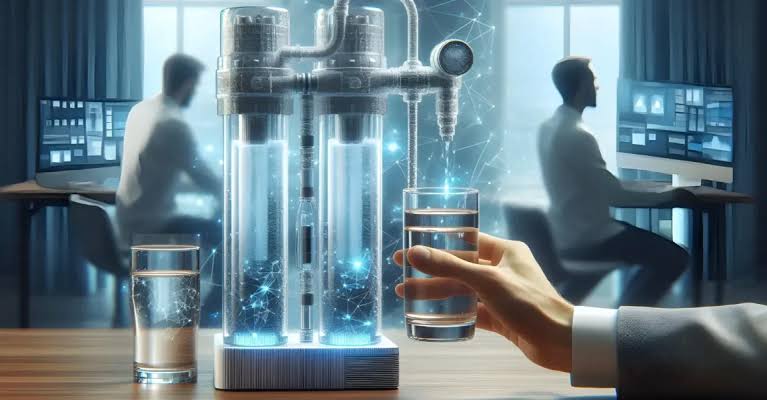
Modern multi-stage reverse osmosis systems combine different filtration technologies to address a wider range of water quality characteristics through a coordinated treatment process.
A sediment filter typically captures suspended particles. Activated carbon stages can reduce certain disinfectants and other substances while helping protect the reverse osmosis membrane.
The membrane itself reduces various dissolved substances by separating treated water from a concentrated reject stream.
Some systems also include a final carbon polishing filter or a remineralization cartridge to adjust the taste of treated water.
Each stage serves a specific purpose. Simply having more filters doesn’t automatically make a system superior.
Verified treatment performance matters far more than the number of stages advertised on the packaging.
Knowing When Water Testing Is Worthwhile
Homeowners often purchase filtration equipment because something about their water seems unusual. While that’s understandable, investigating the problem first can help prevent unnecessary spending.
Addressing persistent drinking water concerns should begin with understanding the incoming supply, reviewing available water quality information, and arranging appropriate testing when necessary.
Municipal water reports can provide helpful background information. Households relying on private wells may need laboratory testing for microorganisms and other locally relevant contaminants. Related: Understanding Sediment, Chlorine, and Contaminants in Your Home’s Water
Testing is particularly valuable when water develops an unexpected color, metallic flavor, or unfamiliar smell.
Rather than assuming a particular filter will solve everything, use the results to identify suitable treatment options.
It’s a more informed approach that can save both money and frustration.
Is Reverse Osmosis Necessary for Every Household?
Reverse osmosis offers several useful treatment capabilities, but it isn’t automatically the best choice for everyone.
If your main concern involves an unpleasant disinfectant taste, an appropriately selected activated carbon filter might be sufficient.
However, when testing identifies certain dissolved contaminants, membrane-based treatment may offer additional benefits.
Under-sink systems are especially practical for households wanting specialized treatment for drinking and cooking water without filtering the entire property through an RO membrane.
Consider your household’s consumption habits, available installation space, and maintenance budget.
Someone living alone may have very different requirements from a family that regularly cooks, prepares beverages, and fills reusable water bottles throughout the day.
Good treatment should fit those everyday routines comfortably.
Enjoying Better-Tasting Water Beyond the Drinking Glass
Water is an ingredient that rarely receives much attention in the kitchen, yet it can influence the flavor of countless meals and beverages.
Think about your morning coffee. Even high-quality coffee beans may produce disappointing results when prepared with water that has an objectionable taste. Related: Why Better Water Starts With Understanding What’s in Your Home’s Supply
Tea, homemade soups, and other beverages can be affected by water composition as well.
Appropriate filtration may help reduce unwanted flavors, allowing other ingredients to stand out.
Reverse osmosis also reduces naturally occurring dissolved minerals, which can change how water tastes. Some people enjoy the relatively neutral flavor, while others prefer water with additional mineral content.
Finding the right balance is largely a matter of personal preference.
Keeping Your Filtration System Performing Effectively
Installing a water treatment system is only half the job. Regular maintenance is equally important.
Carbon cartridges gradually lose their treatment capacity, sediment filters collect debris, and reverse osmosis membranes eventually require replacement.
Follow manufacturer servicing recommendations and investigate noticeable changes in water flow, taste, or treatment performance. Related: A Glass of Water, Reconsidered: Why What You Drink Matters More Than You Think
Before purchasing equipment, ask about replacement filter availability, servicing expenses, and water efficiency.
Remember that ordinary residential filtration should never automatically be assumed to make unsafe source water suitable for drinking.
Periodic testing can help verify continued effectiveness when treatment addresses potentially harmful contaminants.
Making Better Water a Simple Part of Everyday Living
Improving household drinking water doesn’t need to become an expensive or complicated undertaking.
Start by understanding your water quality, identifying the issues that matter most, and choosing filtration equipment with demonstrated capabilities.
Sometimes, a straightforward filter is enough. Other situations benefit from more specialized treatment.
Ultimately, the goal is to make drinking water convenient and enjoyable again.
Whether you’re preparing breakfast, filling a bottle before work, or relaxing with a cup of tea, thoughtfully selected water treatment can make those ordinary moments a little more satisfying.