There’s nothing particularly pleasant about stepping into a warm shower and noticing a strong chemical smell. Equally frustrating is filling a glass at the kitchen sink only to discover tiny particles floating around. These experiences can leave homeowners questioning the quality of their water and wondering whether there’s a better way to manage it.
Installing water treatment at the point of entry allows homeowners to address specific water quality concerns before incoming water reaches connected fixtures and appliances throughout the property.
For Burton families, this approach can offer greater convenience than relying on individual filters in different rooms.
However, finding the right treatment arrangement takes some consideration. Understanding what’s affecting your water and how different filtration technologies work can help you make a worthwhile investment.
Why Your Tap Water May Taste or Smell Unpleasant
Water doesn’t always arrive at the faucet with a perfectly neutral taste. Municipal treatment processes, naturally occurring substances, and household plumbing can all influence its characteristics.
Homeowners concerned about chlorine and chemical taste or odor may benefit from appropriately selected activated carbon filtration, which can reduce certain disinfectants and other substances responsible for unwanted flavors and smells.
Chlorine serves an important purpose in municipal water treatment by helping control harmful microorganisms. Nevertheless, some people find its residual taste or smell unpleasant. Related: When Tap Water Doesn’t Taste Quite Right: Understanding Your Filtration Options
You might notice it particularly when preparing tea, filling a drinking bottle, or running a warm bath.
Carbon filtration can help address these aesthetic concerns, although its effectiveness depends on the filtration media, contact time, and incoming water conditions.
Unusual or persistent chemical odors should also be investigated rather than automatically attributed to chlorine.
Keeping Unwanted Particles Out of Your Household Plumbing
Sometimes, water quality concerns are visible rather than something you notice through taste or smell.
Sand, rust, and fine debris may enter household water through various sources, including aging plumbing or groundwater supplies.
Installing suitable filters designed to capture sediment and particles can help reduce visible impurities before they reach connected faucets, showerheads, and certain water-using appliances.
Sediment filters are available with different particle retention ratings, making equipment selection an important consideration.
A filter that’s unnecessarily fine may clog frequently, while one that’s too coarse might allow smaller particles to pass through. Related: How Better Water Can Help Your Household Appliances Last Longer
Finding the right balance can help maintain effective filtration without sacrificing household water pressure.
Persistent sediment problems may also indicate an underlying plumbing or well-related issue that deserves professional investigation.
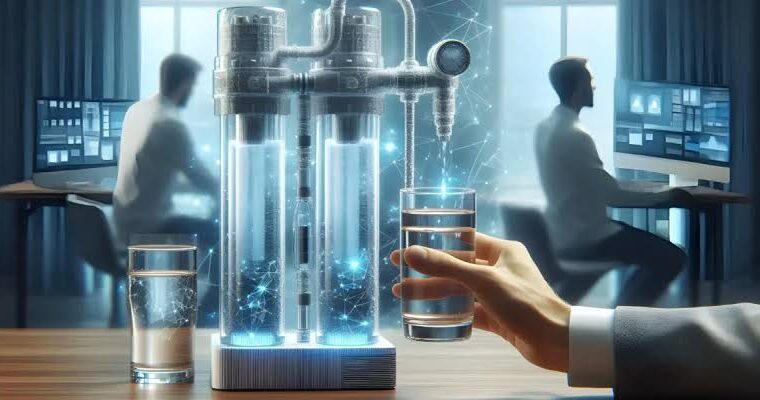
How Whole-House Filtration Works Behind the Scenes
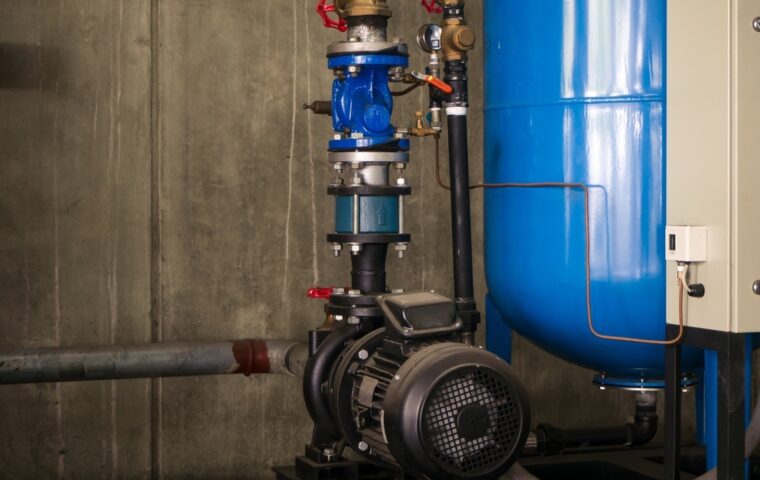
Centralized water treatment is generally installed near the property’s main water supply connection.
As water enters the house, it passes through selected filtration equipment before traveling to connected household fixtures.
Some systems incorporate multiple treatment stages because different filtration technologies address different substances.
An initial filter may capture physical debris, while subsequent carbon filtration targets certain unwanted tastes and odors. Related: Better Drinking Water Starts With the Right Filtration Choices
Additional specialized media can be included when testing identifies other concerns.
The advantage of this arrangement is convenience. Rather than maintaining several separate filters, homeowners can manage treatment equipment from one central location.
It’s a relatively straightforward concept, but the system’s design needs to reflect actual water conditions and household consumption.
Why Water Testing Is Worth Your Time
Buying filtration equipment without testing your water is a little like trying to fix something without knowing what’s wrong.
You might get lucky, but there’s also a reasonable chance of spending money unnecessarily.
Appropriate testing can help identify hardness, iron, pH, and other relevant water characteristics.
Private well owners should arrange laboratory analysis for microorganisms, nitrates, and other potentially harmful contaminants. Related: Reliable Water Treatment Starts With Good Service and the Right Advice
Municipal water customers can also review available water quality reports from their suppliers.
These findings provide a clearer picture of which treatment technologies might be beneficial.
Remember that water can look perfectly clear and still contain unwanted substances. Appearance alone isn’t a reliable way to establish drinking water safety.
Making Everyday Household Activities More Comfortable
Water treatment doesn’t always produce dramatic changes. Sometimes, its benefits become noticeable through ordinary experiences.
Your morning coffee might taste more enjoyable after addressing an unwanted disinfectant flavor. A relaxing shower may feel more pleasant without a persistent odor.
You might also notice fewer visible particles collecting inside faucet aerators.
When excessive hardness is present, separate softening equipment may help reduce future mineral deposits around fixtures and inside certain appliances.
These improvements can make familiar household responsibilities more manageable.
And when you’re juggling work, family commitments, and everything else that needs doing, having one less household frustration is certainly welcome. Related: Understanding Sediment, Chlorine, and Contaminants in Your Home’s Water
Choosing a System That Can Handle Your Water Demand
Picture everyone getting ready on a busy weekday morning. The shower is running, breakfast dishes need washing, and someone has already started a laundry load.
Your filtration equipment needs to accommodate that demand.
Before installation, consider incoming water pressure, peak consumption, available space, and treatment capacity.
Ask about replacement filter costs and recommended maintenance intervals.
An appropriately sized system should deliver effective treatment without unnecessarily restricting water flow.
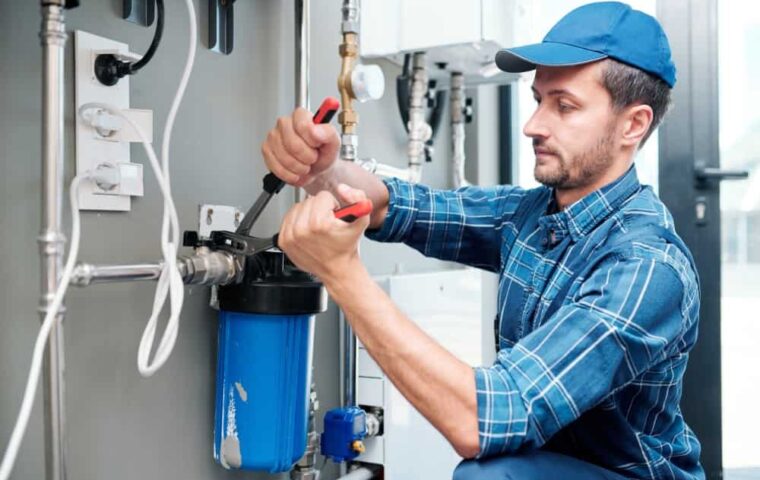
Maintenance accessibility matters, too. Replacing a cartridge should be a manageable task rather than an exhausting household project.
Better Water Begins With Thoughtful Decisions
Improving household water quality doesn’t need to involve complicated equipment or unnecessary expenses.
Start with reliable testing, select filtration technologies with demonstrated capabilities, and follow a consistent maintenance routine.
For Burton homeowners, centralized treatment can provide practical benefits throughout connected areas of the property.
Ultimately, better water is about making everyday life a little more comfortable. From preparing breakfast to enjoying a peaceful evening shower, addressing persistent water quality concerns can make those familiar moments noticeably more pleasant.