Every Drop Matters More Than We Think
Water has always been one of those things we expect to be there. Turn on the tap, fill a glass, water the garden, wash the dishes—it all feels effortless. But behind that convenience sits an entire system of pipes, filters, storage tanks, and maintenance routines that most homeowners rarely think about until something goes wrong.
Lately, though, more people are taking a closer look at how water moves through their homes. Rising utility costs, changing weather patterns, and growing concerns about water quality have encouraged homeowners to invest in smarter solutions rather than temporary fixes. It’s not just about saving money anymore. It’s about making homes more reliable, sustainable, and prepared for the future.
The interesting part is that improving a home’s water system doesn’t always require a complete overhaul. Often, a few thoughtful upgrades make a surprisingly noticeable difference. Related: When Better Water Starts at Home: What Most People Don’t Know About Installing Water Systems
Better Water Starts Long Before It Reaches the Faucet
Many people assume water treatment begins inside the house, but in reality, the process often starts much earlier. Whether water comes from a municipal supply, a private well, or collected rainfall, every source benefits from proper planning.
Tiny particles like dust, leaves, sand, pollen, and sediment travel farther than most people imagine. Once these contaminants enter a plumbing system, they don’t simply disappear. Instead, they slowly build up inside filters, tanks, and appliances.
That’s why prevention is usually more effective—and less expensive—than dealing with clogged equipment later.
A well-designed water system focuses on stopping contaminants before they become a problem.
Clean Drinking Water Requires More Than Basic Filtration
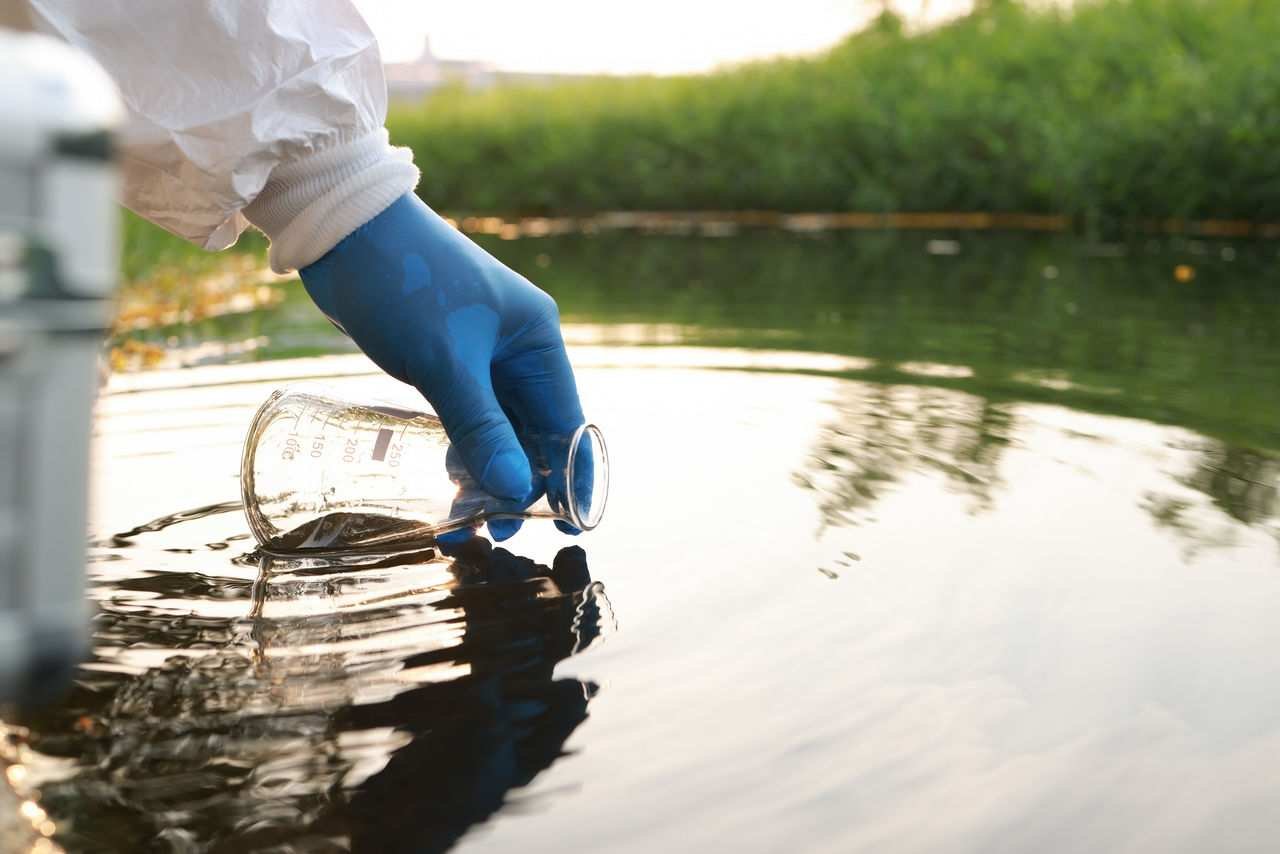
Mechanical filters do an excellent job removing sediment and visible debris, but they aren’t designed to eliminate every microorganism that may be present in water.
This is where uv purification kits have become increasingly popular among homeowners. Rather than relying on chemicals, ultraviolet purification uses controlled UV light to neutralize bacteria, viruses, and other harmful microorganisms without changing the water’s taste or odor.
For families that rely on rainwater collection or private wells, UV technology provides an extra layer of confidence. Even homes connected to municipal supplies often benefit from additional purification, especially where aging infrastructure or seasonal water quality fluctuations are a concern.
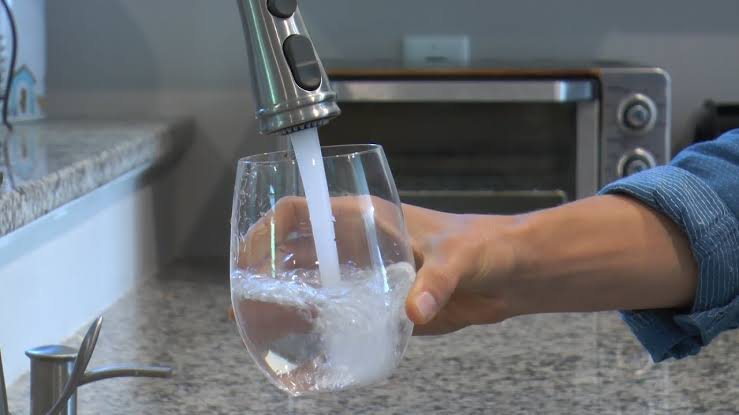
It’s a simple upgrade that quietly works around the clock, protecting water every time someone turns on the tap.
Rainwater Collection Is Smarter Than Ever
Rainwater harvesting isn’t a new idea. People have been collecting rainfall for centuries. What’s changed is how efficiently modern systems manage the process.
Instead of allowing leaves and debris to flow directly into storage tanks, today’s collection systems use specialized components that remove unwanted material almost immediately. Related: From Faucets to Filters: Making Home Water & Air Systems Work for You
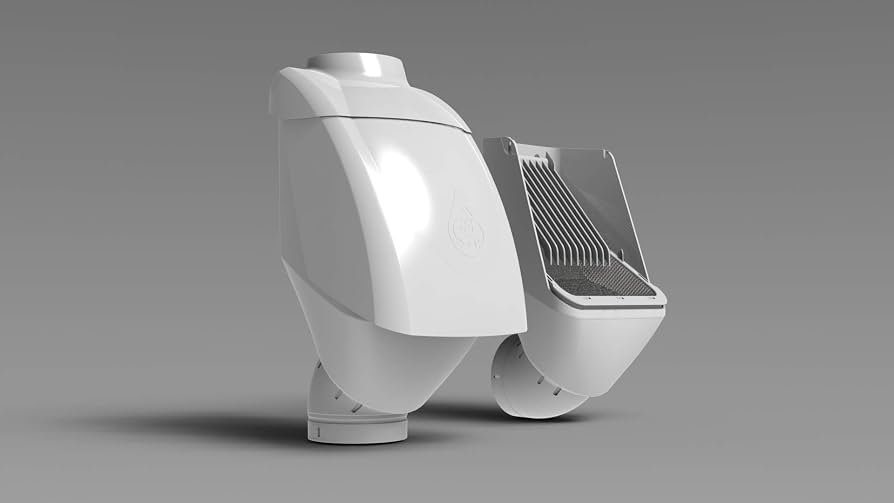
One particularly helpful addition is a rain harvesting leaf eater, which captures leaves, twigs, and larger debris before they enter the storage system. While the name sounds almost playful, its purpose is serious. By preventing organic material from accumulating inside tanks, homeowners reduce maintenance, improve water quality, and minimize unpleasant odors caused by decomposing debris.
Anyone who’s cleaned a neglected rainwater tank understands how valuable that first line of defense can be.
Small Plumbing Components Often Make the Biggest Difference
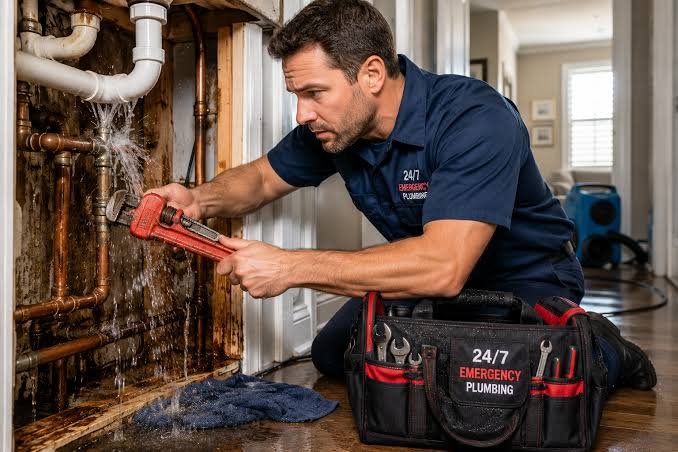
When homeowners think about water systems, attention usually goes toward filters, pumps, or storage tanks. Yet many plumbing professionals will tell you that smaller fittings often determine how well the entire system performs.
A properly installed drainage fitting helps direct excess water safely, reduces unnecessary stress on plumbing connections, and minimizes the chance of leaks developing over time. It may not be the most exciting piece of equipment, but reliable drainage plays a major role in keeping water systems efficient.
Like many things in home maintenance, success often comes from getting the small details right instead of chasing dramatic upgrades.
Maintenance Doesn’t Have to Feel Like a Chore
One reason homeowners postpone water system maintenance is that it seems intimidating. In reality, most routine tasks are fairly straightforward.
Replacing filters on schedule, checking seals for wear, cleaning collection screens, and inspecting storage tanks once or twice a year usually prevents much larger issues from developing.
Many people discover that spending thirty minutes on seasonal maintenance saves hours of frustration later. It’s a bit like servicing your car before a long road trip. The effort feels minor compared to the inconvenience of unexpected repairs. Related: A Real Talk About Water Filters, Softening Systems, and What Your Tap’s Not Telling You
Keeping a simple maintenance calendar also helps. Life gets busy, and it’s surprisingly easy to forget when a filter was last replaced.
Cleaner Water Benefits the Entire Home
Good water quality isn’t only about drinking. Nearly every appliance in a house depends on clean water to operate efficiently.
Water heaters perform better with less sediment buildup. Dishwashers leave fewer mineral spots on dishes. Washing machines experience less wear, and coffee makers continue producing consistent flavor without scale collecting inside heating elements.
Even showers become more enjoyable when water flows freely through unclogged fixtures.
The improvements may seem subtle individually, but together they contribute to a more comfortable and efficient home.
Sustainability Begins with Everyday Decisions
There’s growing interest in making homes more environmentally responsible, and water conservation is an important part of that conversation.
Rainwater harvesting, efficient plumbing design, proper filtration, and responsible maintenance all reduce unnecessary waste while helping homeowners rely less on treated municipal supplies whenever appropriate. Related: When Hot Showers Matter: A Thoughtful Look at Modern Water Heating Solutions
These aren’t flashy changes that attract attention from visitors. Instead, they’re quiet improvements that deliver long-term value month after month.
Interestingly, sustainable upgrades often pay financial dividends as well. Lower maintenance costs, longer appliance life, and reduced water consumption gradually offset the initial investment.
Building a Water System That Lasts
Every home is different. Local climate, water quality, plumbing design, and household size all influence which solutions make the most sense. There’s no universal blueprint that works for everyone.
What does remain consistent, however, is the importance of thoughtful planning. Investing in quality components, maintaining equipment regularly, and preventing contamination before it reaches the tap creates a system that remains dependable for years. Related: Why Better Water Starts With Understanding What’s in Your Home’s Supply
At the end of the day, homeowners rarely remember the days when everything works perfectly—and that’s actually a good thing. Reliable water systems are meant to operate quietly in the background, supporting everyday life without demanding constant attention.
By making smart choices today, whether that’s upgrading purification technology, improving rainwater collection, or simply maintaining plumbing properly, you’re investing in cleaner water, a healthier home, and fewer unexpected surprises tomorrow. Sometimes the most valuable home improvements are the ones you’ll hardly notice, except every time fresh, clean water flows effortlessly from the tap.