Choosing new siding for a home sounds simple until you start comparing materials, colors, warranties, installation methods, and long-term upkeep. Suddenly, that “simple” decision becomes a pretty big one. Siding isn’t just about making a house look good from the street. It protects the structure from weather, affects energy efficiency, and can influence how much time and money you spend on maintenance over the years.
That’s one reason homeowners often consider James Hardie siding when planning an exterior renovation. Made from fiber cement, it has earned a strong reputation for durability and design flexibility. It can give a home the clean, classic appearance of painted wood without bringing along quite as many of wood’s headaches. Of course, no siding material is perfect for every property, but fiber cement is worth a closer look if you’re thinking beyond the next few years.
A Material Built for Real-World Weather
Your home’s exterior takes a beating. Sun, rain, wind, humidity, freezing temperatures, and sudden changes in weather can slowly wear down even good-quality materials. Siding has to deal with all of it, year after year.
Fiber cement siding is designed with that reality in mind. It combines cement, cellulose fibers, sand, and other materials to create a dense, durable product. Unlike natural wood, it isn’t prone to the same kind of rot and insect damage when properly installed and maintained.
That durability matters more than people sometimes realize. Replacing siding isn’t a small weekend project. It involves labor, preparation, disposal, trim, paint or finishing, and often repairs to the surface underneath. Choosing a material that can stand up to everyday exposure can make the entire investment feel much more worthwhile. Related: It Starts with the Water: Why Installing a Softener Changes More Than You Expect
Less Maintenance, More Time for Everything Else
Let’s be honest: most homeowners don’t dream about spending their Saturday scraping peeling paint or repairing damaged boards.
One of the biggest advantages of fiber cement siding is that it can be relatively low maintenance compared with traditional wood siding. It still needs attention, of course. Dirt should be washed away occasionally, caulking may need inspection, and painted surfaces eventually require a fresh coat. But routine care is generally manageable.
This is especially useful for busy households. A siding material that doesn’t demand constant repairs gives homeowners one less thing to worry about. You can spend your free time gardening, visiting friends, or simply sitting on the porch instead of climbing a ladder with a paint scraper.
The key is proper installation. Even the best siding can develop problems if it isn’t installed according to manufacturer specifications. Good flashing, appropriate clearances, correct fastening, and well-sealed joints all play a role in how the exterior performs.
Protection Against Fire Is Another Consideration
Homeowners in areas affected by wildfires often think differently about exterior materials. Fire safety doesn’t stop at smoke alarms and interior systems. The materials surrounding a home can also matter.
Fiber cement siding is generally considered fire-resistant, which can provide an additional layer of protection compared with some combustible siding options. It doesn’t mean a home becomes fireproof—nothing should be marketed that way—but choosing materials with better fire performance can be a sensible part of a broader home-safety strategy.
If wildfire risk is a concern where you live, it’s worth looking beyond siding alone. Roofing, windows, vents, landscaping, decks, and other exterior components all contribute to a home’s vulnerability. A knowledgeable contractor can help you think about the entire exterior rather than treating siding as an isolated upgrade. Related: The Quiet Beauty of Clean Water: Why Purity Still Matters in a Modern World
Design Options That Don’t Feel Limiting
Durability is great, but nobody wants a house that looks like a compromise.
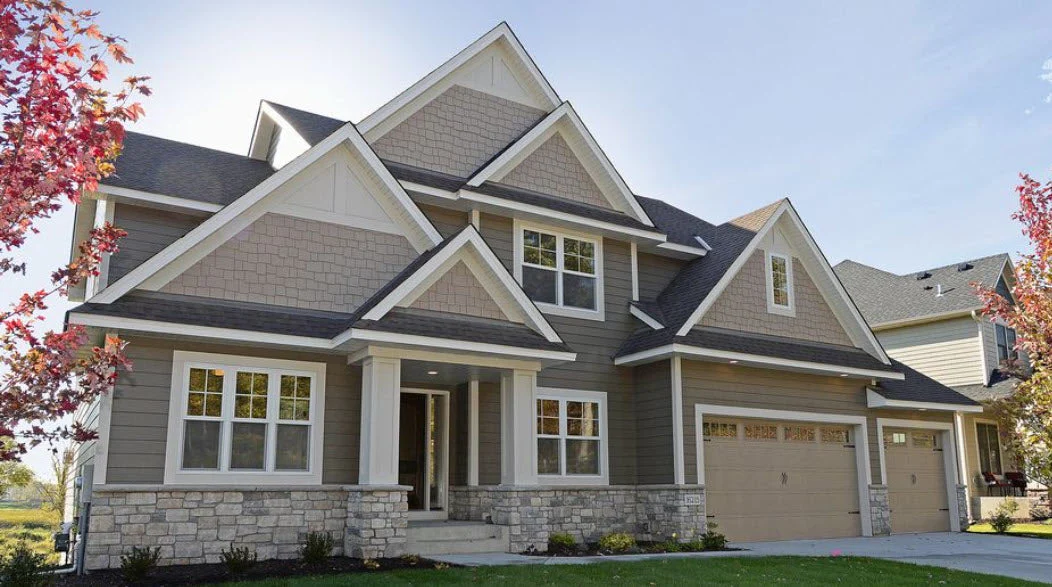
Fortunately, fiber cement siding comes in a surprisingly wide range of styles. Homeowners can choose from traditional lap siding, shingles, vertical panels, and other profiles. There are also plenty of colors and trim combinations, making it possible to create anything from a classic farmhouse appearance to a crisp, contemporary exterior.
Texture can make a difference, too. Some products are designed to resemble painted wood closely, which gives a home character without requiring homeowners to maintain actual wood boards.
And if you’re updating an older house, siding can be part of a larger visual refresh. New trim around windows, contrasting accents, updated exterior lighting, and a carefully chosen front-door color can completely change how the property feels. Sometimes the best renovations aren’t dramatic—they’re just thoughtful. Related: Better Drinking Water Starts With the Right Filtration Choices
What About Cost?
This is where homeowners should slow down and look at the bigger picture.
Fiber cement siding can cost more upfront than some basic vinyl options. Installation may also require experienced contractors because the material is heavier and needs to be handled and installed correctly.
But looking only at the initial price can be misleading. A siding material should really be evaluated over its expected service life. How often will it need repainting? How likely is it to suffer from insects or moisture? Will repairs be frequent? How long is the product expected to perform properly?
The answers can change the financial picture.
That doesn’t automatically make fiber cement the cheapest option. It simply means homeowners should compare total ownership costs rather than choosing based on the first estimate they see. Related: Why Smarter Water Systems Are Becoming an Essential Part of Modern Homes
Installation Matters More Than You Might Think
A quality siding product can’t compensate for careless installation.
Before hiring a contractor, ask about experience with fiber cement specifically. Ask how they handle flashing, joints, corners, windows, doors, and moisture management. It’s also smart to request references or examples of completed projects.
Don’t be shy about asking questions. A professional contractor should be able to explain the installation process in plain language rather than burying you in technical terms.
You should also review the manufacturer’s installation requirements and warranty information. Small details—such as clearances from roofs and other surfaces—can have a surprisingly large effect on long-term performance. Related: A Glass of Water, Reconsidered: Why What You Drink Matters More Than You Think
Is It Right for Your Home?
There isn’t one perfect siding material for every house. Your budget, climate, architectural style, maintenance preferences, and local conditions all matter.
Still, fiber cement deserves consideration if you’re looking for a combination of durability, appearance, and relatively simple upkeep. It can provide the visual warmth many homeowners want while offering stronger resistance to several common exterior problems.
Think of siding as part of the home’s long-term infrastructure, not just its outfit. The color might catch your eye first, but the real value is in how the material performs after the novelty wears off.
In the end, the best siding choice is the one that fits your home, your climate, and your plans for the years ahead. If you’re willing to invest in quality materials and proper installation, a well-chosen exterior can protect your house, improve curb appeal, and make everyday homeownership just a little easier.