Let’s be honest for a second — we don’t really think about our water. We turn on the faucet, it flows, we drink, rinse, wash, and repeat. But if you’ve ever lived in a place where the water tasted weird, smelled like a swimming pool, or left your skin feeling like it spent the day in the desert, you know that not all water is created equal. Related: Better Drinking Water Starts With the Right Filtration Choices
And that’s where a solid water filtration setup steps in. We’re not talking about those cheap jug filters you refill every two days. We’re talking about long-term solutions — systems that actually do the work, day in and day out, without you having to baby them.
What’s Actually in Your Water, Though?
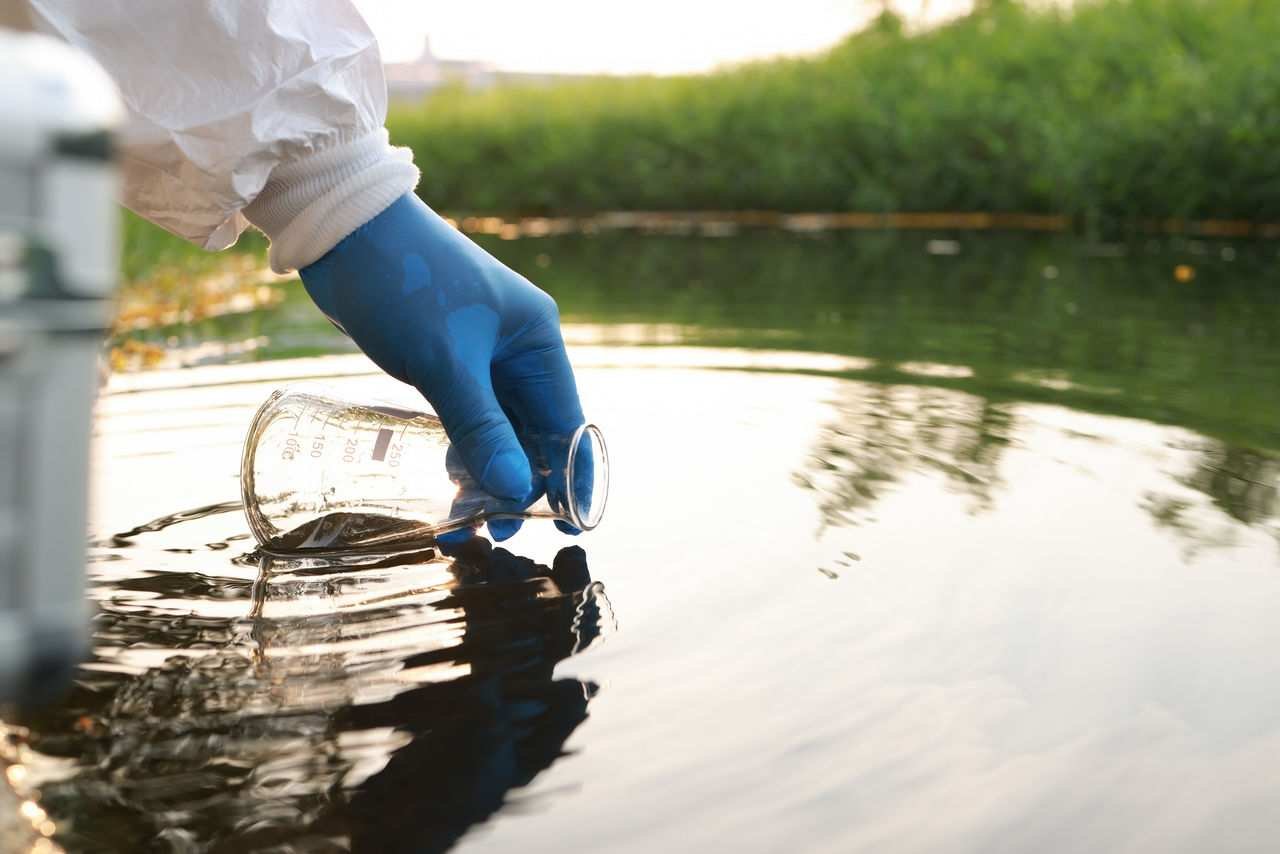
You’d think municipal water is always “safe,” and in most cases, it technically is — it meets the legal standards. But “safe” doesn’t always mean “clean.” Between chlorine, sediment, metals from aging pipes, and random contaminants you can’t pronounce, what’s coming out of your tap might not be the pure refreshment you think it is.
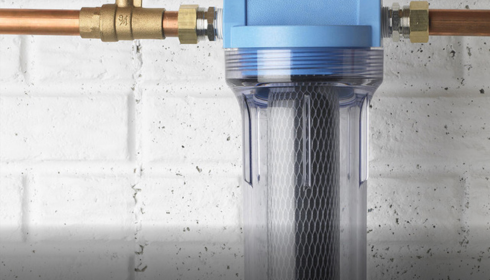
The fix? For a lot of people, it starts with whole house water filters. These guys are the gatekeepers of your home’s plumbing. Installed at the main water line, they filter every single drop that enters your house — kitchen sink, bathroom faucet, laundry machine, shower, all of it.
What’s beautiful about whole house systems is their simplicity. You set it, forget it (well, check in occasionally), and enjoy better-tasting water, cleaner clothes, and less gunk in your appliances. And for families with kids, pets, or anyone with sensitive skin, that clean water makes a big difference. Related: When Better Water Starts at Home: What Most People Don’t Know About Installing Water Systems
Let’s Talk About Hard Water (aka, The Silent Ruiner of Everything)
You ever notice a chalky buildup around your faucet? Or your dishes come out of the dishwasher looking foggy no matter what detergent you use? That’s hard water.
Hard water is packed with minerals like calcium and magnesium — not harmful to drink, but annoying for everything else. It clogs pipes, ruins water heaters, fades clothes, dries out your skin, and turns your morning shower into an itchy chore.
This is where home water softeners swoop in like the unsung heroes they are. A good softener trades out those harsh minerals for sodium or potassium ions. The result? Softer water, longer-lasting appliances, better soap lather (hello, bubble baths), and fewer surprise plumber visits.
It’s not just a comfort upgrade. It’s a smart move if you want your home to age well and your water to feel as good as it looks. Related: From Faucets to Filters: Making Home Water & Air Systems Work for You
The Filtration MVP: Reverse Osmosis
Now, if you’re the kind of person who wants the absolute best quality drinking water — like, next-level clean — then you need to meet the GOAT of filtration: the reverse osmosis system.
Reverse osmosis water filters are about as thorough as it gets. They push water through a semi-permeable membrane, stripping out everything from heavy metals to bacteria to dissolved salts. What you’re left with is water that tastes so crisp it makes bottled water feel like a scam.
These systems usually sit under your sink and give you a separate faucet for pure drinking water. And yeah, they take a bit more effort to maintain — periodic filter changes and such — but the payoff? So worth it.
If you’ve got a coffee machine, a kettle, or even just a reusable water bottle you love, RO-filtered water will have you wondering how you ever lived without it. Related: Understanding Sediment, Chlorine, and Contaminants in Your Home’s Water
Which System’s Right for You?
That depends. It’s not about “best” — it’s about fit. Some households need all three: a whole house filter for general cleanup, a softener for mineral-heavy water, and a reverse osmosis system for top-tier drinking water. Others might only need one.
Here’s a quick breakdown:
- If your water smells weird, stains your sink, or tastes off — start with a whole house filter.
- If your skin’s dry, your pipes are crusty, and your water heater keeps dying — it’s time for a water softener.
- If you’re chasing peak drinking water quality — go for a reverse osmosis system.
The best setup is the one that solves your specific problems without overcomplicating your life.
Don’t Overthink It — Just Start Somewhere
It’s easy to feel overwhelmed by all the tech talk and options. Sediment filters, carbon blocks, ion exchange, UV lights — it’s a lot. But here’s the truth: doing something is better than doing nothing.
Start with a water test. Talk to a local expert. Read reviews. Just don’t assume your water is “fine” because it looks clear. Related: Why Whole Home Water Filtration Is Becoming a Must-Have for Modern Homes
Because here’s what people forget — water touches everything. Your body. Your food. Your clothes. Your dishes. Your peace of mind. Getting it right isn’t just about comfort. It’s about health, longevity, and the small joys of life that flow a little smoother when your water’s up to par.
Final Sip
Clean, soft, safe water isn’t a luxury — it’s the baseline we all deserve. And the systems that get you there? They’re more accessible, efficient, and affordable than ever.