Water is supposed to be simple. Clear, clean, and reliable. You turn the tap, and there it is—doing its job without fuss. But sometimes, it’s not that simple. Sometimes, water behaves in strange and frustrating ways. It smells odd. Tastes weird. Leaves behind cloudy residue or turns your white towels into something you’d find at a mechanic shop.
And when that happens, it’s more than just an inconvenience—it’s a sign. A quiet signal that something’s not quite right behind the scenes. The good news? Most of these issues are common. And fixable. You’re not alone in dealing with them, and you’re definitely not powerless.
Let’s break down some of the most common water problems homeowners face, what they mean, and—most importantly—how to fix them without losing your mind (or your wallet).
When Your Water Has an Attitude
Ever walk into the bathroom and get smacked in the face by that unmistakable rotten egg smell? Or maybe you filled a glass of water from the tap and immediately recoiled at the odor? Yeah, that’s not your imagination—and no, it’s not something you should ignore.
Smelly water usually points to the presence of hydrogen sulfide gas, a naturally occurring compound that smells like sulfur. Sometimes it’s coming from the water heater, sometimes from the well or even the pipes themselves. Other times, it’s due to bacteria interacting with magnesium anodes in your heater. Either way, it’s a stinker—literally and figuratively.
Fixes can range from replacing the anode rod to installing an oxidizing filter or using chlorination systems. The key is identifying the source first—because deodorizing water without solving the root problem is like spraying air freshener on a moldy carpet. It masks the issue, but it doesn’t solve it.
The Battle with Hard Water
Now let’s talk about the one you can feel but not always see—hard water. You might notice it in your shower first. That sticky, not-quite-clean feeling after you rinse. The soap scum building up on the walls. The dry skin that never goes away no matter how much lotion you apply. That’s hard water doing its thing.
It’s not toxic. But it’s relentless. High mineral content—mostly calcium and magnesium—means deposits on fixtures, buildup in your pipes, and reduced efficiency in water-using appliances like dishwashers, washing machines, and water heaters. Left unchecked, it shortens the life of these machines and increases energy bills.
Thankfully, there are hard water solutions that don’t involve replacing your plumbing or taking shorter showers. Water softeners (both salt-based and salt-free) can strip out or neutralize those minerals. Magnetic conditioners and whole-home filtration systems are also options, depending on your budget and home setup.
Water That Stains and Surprises
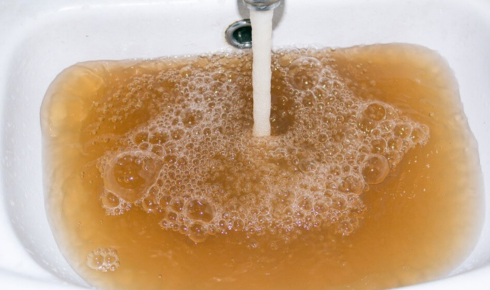
If your sinks or bathtubs are showing orange or reddish stains, or your laundry’s turning a weird shade of dingy despite using the “whitest whites” cycle, iron might be the culprit. This is especially common in well water systems.
Iron and manganese can leave rusty streaks and metallic tastes, and if left untreated, they also clog appliances and fixtures. Filtration systems specifically designed for iron removal can handle this with ease—just be sure to test your water first to get a proper match for the iron concentration levels.
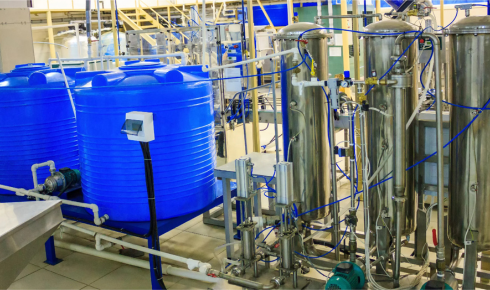
You might also notice cloudy or milky water. This often turns out to be harmless air bubbles—but in some cases, it’s sediment or high turbidity, which could damage pipes and reduce water clarity. Again, filtration is the answer. And not just a little filter on your faucet—whole-house systems are best for consistent results.
What About Taste and Color?
Tap water that smells and tastes like a swimming pool? You’re probably dealing with high chlorine levels. Municipal systems often add chlorine to kill bacteria—and while it’s great for disinfection, it’s not so great when it lingers in your cup.
Other funky flavors—think metallic, earthy, or bitter—can come from a variety of sources including high mineral content, decaying organic matter, or old pipes. If your water is coming from a well, that opens up a whole separate box of challenges. Testing is essential.
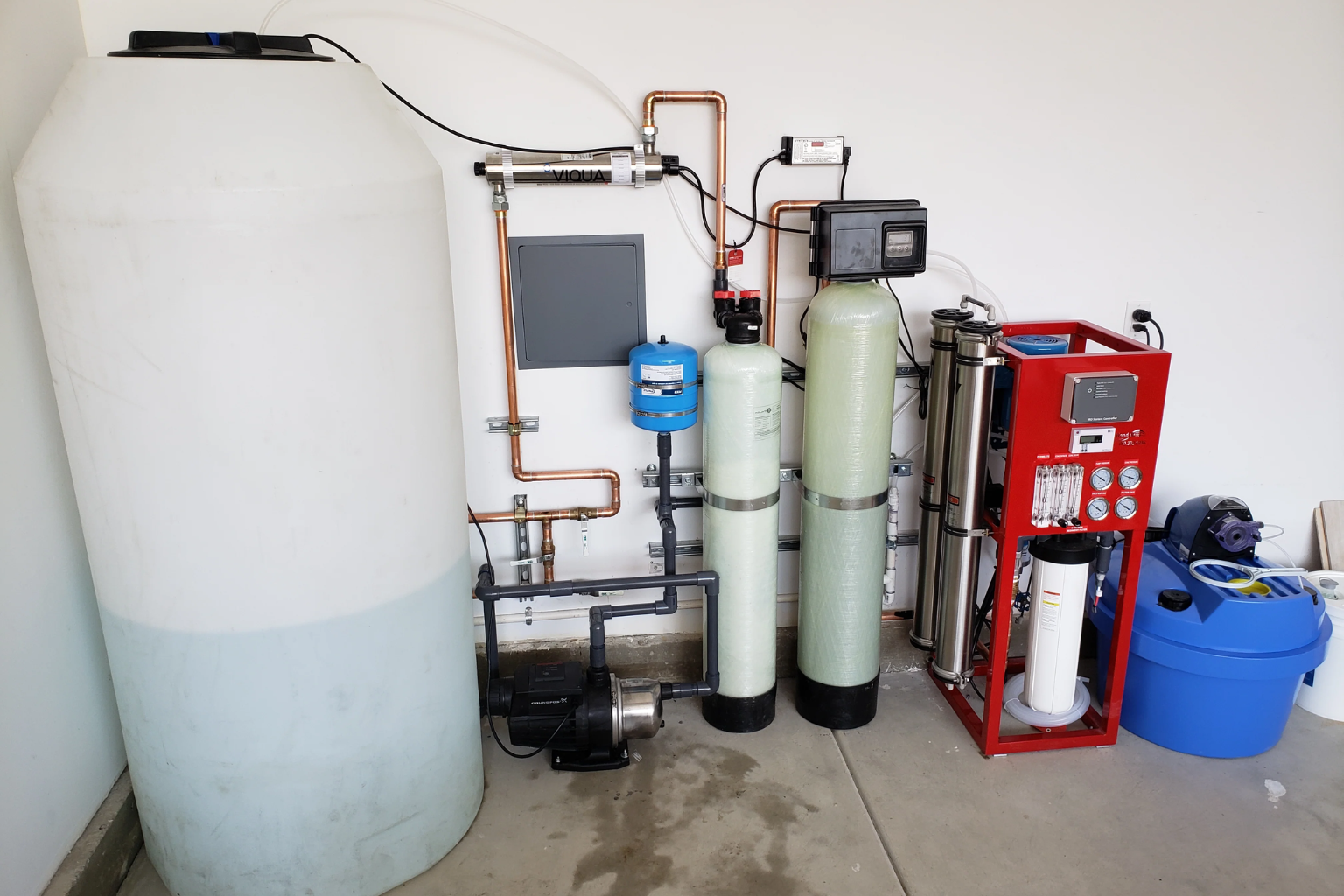
Once you know what you’re dealing with, you can install a solution tailored to your issue. Carbon filters, reverse osmosis systems, and UV purification units are just some of the options to restore your water to what it should be—clear, clean, and boring (in the best way).
Don’t Let It Sneak Up on You
One of the toughest parts about water issues is how gradual they can be. It’s not like a pipe burst—it’s the slow change in taste, the creeping stains on the faucet, the gradually increasing energy bill. That’s why a proactive approach can save you time, money, and stress.
Start with a water test. You can buy home kits or call in a pro, especially if you’re on a private well. This will give you a full profile of what’s in your water—and more importantly, what needs to come out.
A Final Word on Taking Back Control
Your home deserves water that works with you—not against you. It should rinse clean, cook safely, taste fresh, and leave your skin and clothes feeling better—not worse.
If you’re battling smells, stains, or dry skin day in and day out, don’t shrug it off. These water problems are solvable. And once you fix them? It’s like getting an upgrade you didn’t realize you were missing.