Let’s face it—water is one of those things we just expect to work. You open the tap, rinse, clean, serve, wash. It’s supposed to be simple. But if you run a business—especially one that depends on volume, hygiene, or presentation—you’ve probably discovered that hard water can be a real silent saboteur.
From scaling up boilers to leaving mineral streaks on spotless glassware, untreated water quietly chips away at efficiency, aesthetics, and overhead. This is where the need for soft water for businesses comes in—not just for comfort, but for survival in today’s demanding, competitive environments.
The Problem With “Just Water”
The phrase “hard water” sounds harmless enough, right? But in commercial applications, it’s anything but. Hard water is full of minerals—mainly calcium and magnesium—that create scale and residue. Over time, this buildup doesn’t just stain things; it gums up pipes, ruins heating elements, shortens the life of appliances, and increases energy bills.
And that’s just what you can see. Behind the scenes, it’s clogging things, corroding metals, lowering pressure, and forcing your team to work harder just to maintain the same standard.
Hotels, restaurants, salons, laundromats, healthcare facilities—they all suffer if their water isn’t on point.
Why Soft Water Makes a Difference
Now imagine this: no scale, no white spots, no streaky mirrors or flaky faucets. That’s the magic of soft water. It’s been stripped of those problematic minerals, making it much kinder to both machinery and surfaces. Plus, it helps soaps and detergents work better, which means cleaner dishes, fluffier towels, and happier customers.
For businesses, the value isn’t just comfort. It’s cost-saving. It’s asset protection. It’s brand integrity.
When Your Operation Grows, So Should Your Water Strategy
You’ve scaled your team. You’ve expanded your service hours. Maybe even added another location. But has your water treatment kept pace?
That’s where high capacity water treatment becomes crucial. Residential-grade softeners or outdated commercial units might’ve been enough at the start—but growth demands more. A lot more.
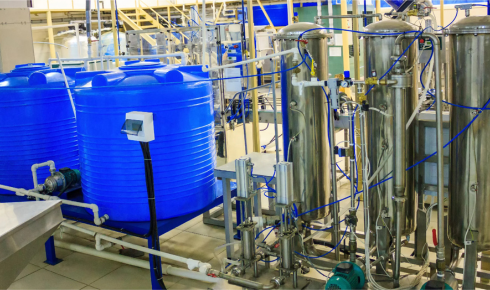
High-capacity systems are built to treat thousands—even tens of thousands—of gallons per day. They can handle peak demand, service multiple endpoints, and still maintain water quality with consistency. Whether you’re cleaning rooms in a 200-key hotel or washing 400 loads a day in an industrial laundry, your system needs to flex as hard as your schedule does.
Let’s Talk Commercial-Grade Solutions
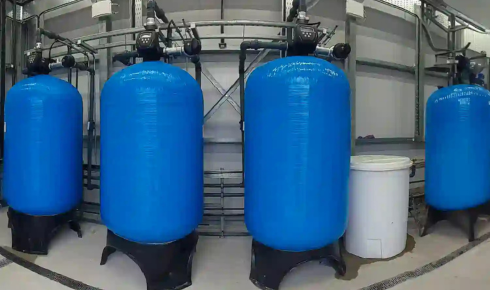
Not all water softeners are created equal. What works for a family of four won’t work for a facility of forty, or four hundred. Commercial water softeners are engineered with durability, volume, and automation in mind. They often come with twin-tank designs (so one regenerates while the other runs), smart controllers, and regeneration cycles tailored to actual usage instead of a timer.
In other words, they think like a business: efficient, reliable, low-maintenance.
Some industries where these systems have become indispensable?
- Hotels & Hospitality: Soft towels, no water spots, longer-lasting boilers and kitchen gear.
- Food & Beverage: Better-tasting beverages, spotless presentation, smoother operations.
- Healthcare & Labs: Reduced risk of bacterial growth in plumbing, cleaner instruments.
- Industrial Facilities: Better equipment performance, fewer clogs, reduced energy consumption.
Water Softening Myths (and Why They’re Wrong)
Still holding off? Let’s bust a few myths.
Myth 1: Soft water is too slippery.
It might feel slicker, but that’s just soap doing its job better without mineral interference. It’s not a bad thing—it’s a sign of cleaner skin, glassware, and clothes.
Myth 2: It wastes water.
Modern softeners use highly efficient regeneration cycles and smart sensors to reduce waste. Plus, the water they save by preventing wear-and-tear easily outweighs the small regeneration loss.
Myth 3: It’s expensive.
Not compared to replacing a $5,000 steamer or flushing your entire plumbing due to scale buildup. In fact, it often pays for itself within a year or two.
Maintenance Without the Headache
One of the big advantages of newer softener systems is how little attention they require. Set-and-forget tech, automatic brine refill alerts, app-connected monitoring—it’s not 1999 anymore.
That said, don’t ignore upkeep completely. Salt levels should still be checked (or outsourced), filters should be swapped as needed, and occasional testing ensures everything’s still running as expected. But in general, today’s systems are designed to hum quietly in the background, letting your team focus on what they’re really there to do.
Going the Extra Mile: Integrating Softeners With Filtration
Softening solves a big piece of the puzzle, but if your water contains iron, sulfur, or chlorine, you might need an additional filter stage.
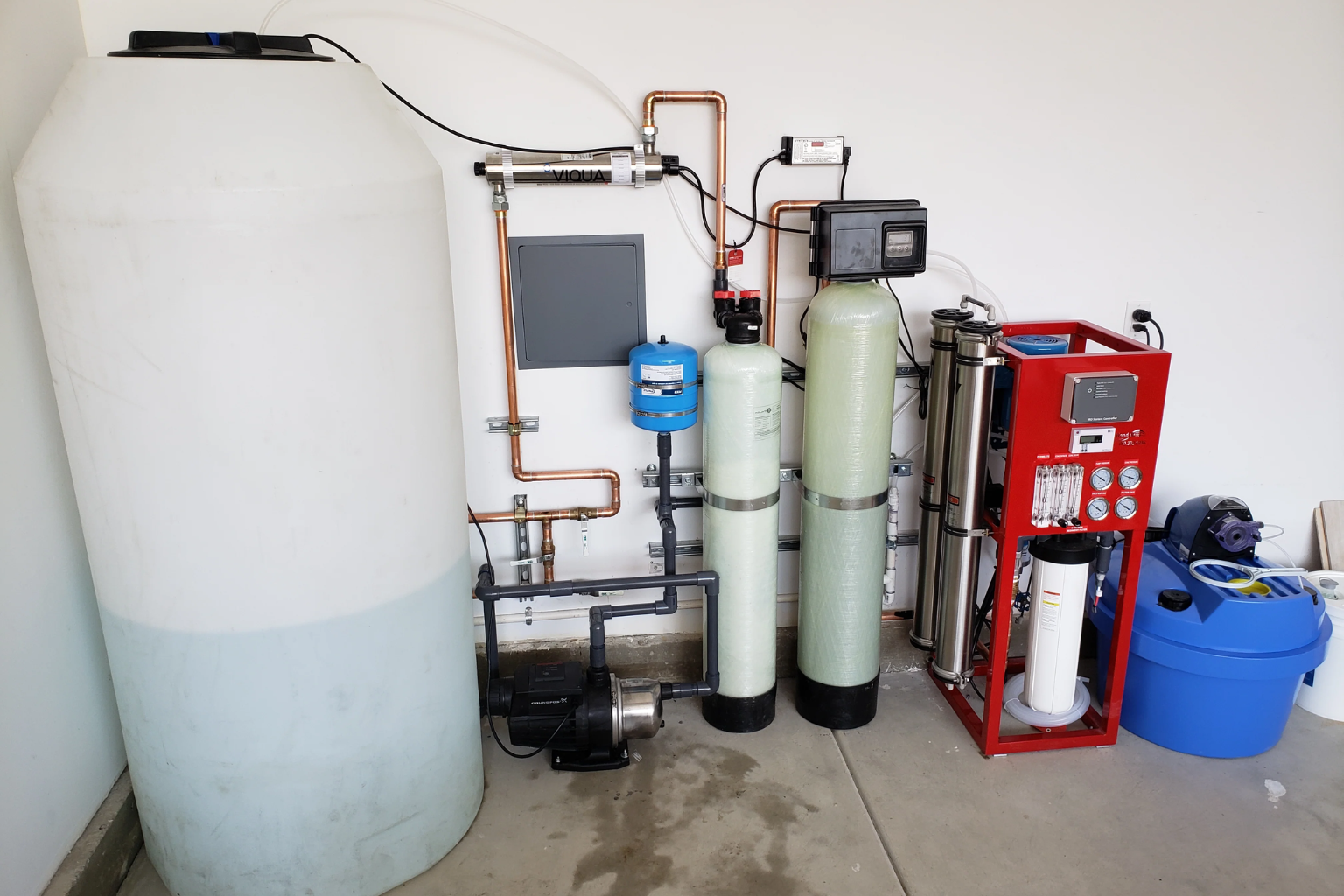
Combining a softener with carbon filters, sediment filters, or even reverse osmosis (in high-demand or specialty-use cases) can give you the kind of crystal-clear, neutral-tasting water that not only performs well—but feels premium.
Especially if you’re in an area with problematic municipal supplies or well water, this kind of multi-layered approach is often the only way to meet both regulatory and performance goals.
It’s Not Just the Equipment—It’s the Mindset
At the end of the day, water quality isn’t just about equipment specs. It’s about the attitude of the business behind it. Do you care about presentation? About consistency? About protecting the investments you’ve poured time and money into?
Because soft water does all of that quietly. It doesn’t call attention to itself. But take it away, and you’ll notice real quick.
A Final Word: Is It Time to Soften the Edges?
If you’re battling flaky buildup on fixtures, scaling in equipment, soap that won’t lather, or guests who complain about “funny tasting” coffee or cloudy showers—it’s not a mystery. It’s the minerals.