There’s a quiet assumption most of us carry without thinking — that the water flowing from our taps is exactly what it should be. Clear, safe, and consistent. We rarely question it, because honestly, water feels like one of those things that simply works in the background of life. Like air. Like electricity.
But the truth is, water is always changing. It travels through pipes, treatment plants, underground sources, and storage systems before reaching your home. Along the way, it picks up minerals, chemicals, and sometimes unwanted contaminants that you can’t see, smell, or taste immediately.
And that’s the strange part — the biggest water problems are often invisible.
Understanding what’s really in your water isn’t about worry. It’s about awareness. Because once you know what you’re dealing with, you can make smarter decisions that improve comfort, protect health, and even extend the life of your home’s plumbing.
Why Clear Water Doesn’t Always Mean Clean Water
One of the most common misconceptions is that if water looks clear, it must be pure. Unfortunately, clarity is not an accurate indicator of quality.
Many impurities dissolve completely, leaving no visible trace. Hard minerals, chlorine residues, microscopic contaminants — they can all exist in perfectly clear water.
Sometimes, the first signs appear indirectly. Soap doesn’t lather well. Faucets develop white buildup. Skin feels dry after showers. Coffee tastes slightly off.
These subtle clues often point to deeper water quality issues that require proper testing to understand fully.
The Importance of Testing Before Treating
Before installing any treatment system, it’s essential to understand the specific characteristics of your water supply. Every region has different mineral compositions, treatment methods, and environmental factors.
This is why many homeowners choose to schedule water testing as their first step. Professional testing provides a detailed analysis of hardness levels, pH balance, mineral content, and potential contaminants.
With accurate information, homeowners can avoid guesswork and select solutions tailored to their specific water conditions.
Testing replaces assumptions with clarity.
How Water Quality Impacts Daily Life
Water quality affects far more than drinking habits. It influences cleaning efficiency, appliance performance, and personal comfort in ways that are often overlooked.
Hard water can cause scale buildup inside pipes and water heaters, reducing efficiency and increasing energy costs. It can also leave residue on dishes and laundry.
Even bathing experiences change depending on water composition. Soft, balanced water often feels gentler on skin and hair, while untreated water may cause dryness.
These everyday impacts highlight how important water quality truly is.
Choosing the Right Filtration Solutions
Once testing identifies specific issues, selecting the right treatment system becomes much easier. Modern filtration technologies are designed to address a wide range of water challenges.
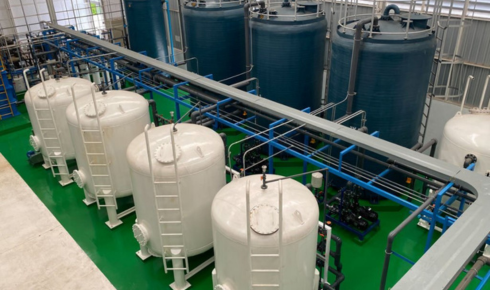
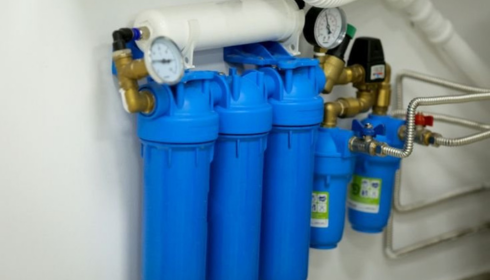
Homeowners often begin with a filtration system inquiry to understand which solutions best match their needs. Options range from basic sediment filters to advanced multi-stage purification systems.
The key is choosing equipment that targets specific water characteristics rather than relying on generic solutions.
Personalized treatment leads to more effective results.
Understanding Reverse Osmosis Technology
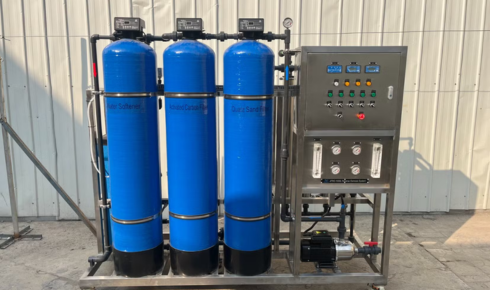
Among advanced purification options, reverse osmosis systems have become increasingly popular. These systems use specialized membranes to remove extremely small contaminants from water.
Many homeowners seek reverse osmosis info to better understand how this technology works and whether it suits their needs.
Reverse osmosis can significantly improve drinking water quality by removing dissolved solids, heavy metals, and certain chemical residues.
However, like any treatment system, it should be selected based on accurate testing results.
The Financial Benefits of Improving Water Quality
Investing in water treatment solutions often leads to long-term savings. Properly treated water reduces mineral buildup, helping appliances operate more efficiently and last longer.
Water heaters, dishwashers, and washing machines all benefit from reduced scale accumulation.
Preventive water treatment also lowers the likelihood of plumbing repairs, which can be costly and disruptive.
Over time, better water quality supports both financial and operational efficiency.
The Emotional Value of Reliable Water
Reliable water quality provides something that’s difficult to measure but deeply valuable — peace of mind.
Knowing that your home’s water supply is safe, consistent, and well-maintained eliminates uncertainty. It allows homeowners to focus on daily routines without worrying about hidden risks.
Comfort often comes from trusting the essential systems that support everyday life.
Water plays a central role in that sense of stability.
Simple Habits That Support Long-Term Water Quality
Even with treatment systems in place, homeowners can adopt practical habits to maintain water quality over time.
Helpful practices include:
- Replacing filters regularly
- Monitoring water pressure levels
- Scheduling periodic system inspections
- Flushing water heaters to remove sediment
These actions help preserve system efficiency and ensure consistent performance.
Consistency remains key to long-term success.
A Final Thought: Understanding Before Improving
Water is one of the most essential resources in daily life, yet it’s often taken for granted. It supports health, comfort, and countless household activities without drawing attention.
But improving water quality begins with understanding what’s already present.
By investing in proper testing, selecting targeted treatment solutions, and maintaining systems regularly, homeowners can ensure their water supports them in the best possible way.
Because ultimately, better water isn’t just about purity.
It’s about creating a more comfortable, reliable, and confident daily experience — one where the resource you depend on most works quietly, effectively, and without interruption.