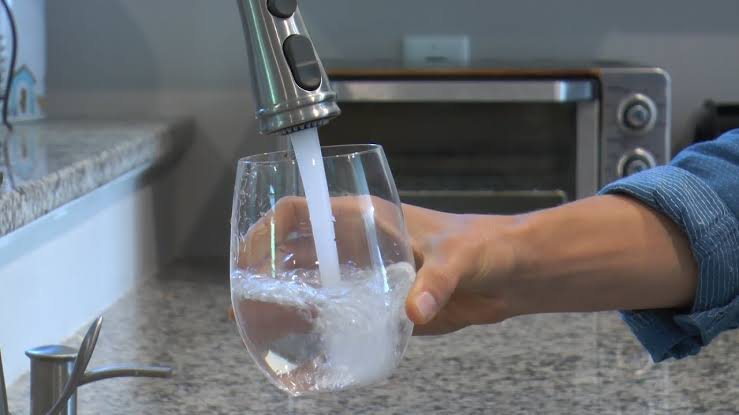
Water usually looks simple. It comes from the tap, fills a glass, and disappears into our daily routines without much thought. Yet sometimes a strange taste, cloudy appearance, or residue around a faucet makes us stop and wonder what is actually in that water.
The answer isn’t always obvious. Water can pick up different substances as it travels from its source through treatment facilities, pipes, storage tanks, and finally into a home. Some are harmless at typical levels, while others may affect taste, odor, plumbing, or overall water quality.
Understanding a few common concerns—particularly sediment, chlorine, and contaminants—can help homeowners make smarter decisions about filtration and water treatment.
Why Water Can Change Before It Reaches Your Tap
Water doesn’t simply travel from a source to your faucet without interacting with anything along the way. Municipal water, well water, and other sources can have different characteristics.
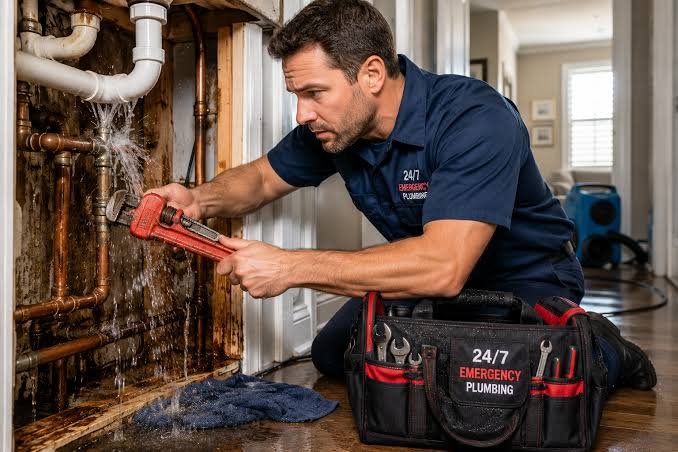
Even after water has been treated, conditions inside household plumbing may influence what comes out of the tap. Older pipes, storage tanks, and plumbing disturbances can sometimes contribute to changes in appearance or taste. Related: When Plumbing Problems Strike, Experience Makes All the Difference
That’s why two homes in the same neighborhood can occasionally experience slightly different water conditions.
If you notice a sudden change, it’s worth paying attention rather than assuming it’s just part of normal water use.
What Is Sediment?
One common concern is sediment, which refers to small particles that may be present in water.
Sediment can include sand, silt, rust particles, or other material that becomes suspended in the water supply. It may be more noticeable in certain private wells or after plumbing work, maintenance, or changes in water flow.
Sometimes you can actually see sediment in a glass. Other times, the particles are too small to notice but may still collect inside fixtures or filtration equipment.
A sediment filter can be useful when particulate matter is the primary concern. These filters are designed to physically capture particles before the water continues through the plumbing or into another treatment stage. Related: Why Better Water Starts With Understanding What’s in Your Home’s Supply
How Sediment Can Affect Your Home
Even when sediment isn’t obvious, it can become a nuisance.
Particles may collect in faucet aerators, showerheads, appliance connections, and other components where water passes through narrow openings. Over time, this can contribute to reduced flow or make fixtures need cleaning more often.
Sediment can also place additional demands on certain filtration systems.
For households experiencing recurring particles, identifying where they’re coming from is important. A filter can help, but it may not address the underlying source if there’s a plumbing or well-related problem.
Why Chlorine Is Used in Water Supplies
Many municipal water systems use chlorine as part of the disinfection process. Its purpose is to help control harmful microorganisms as treated water travels through distribution systems.
That residual disinfectant can be useful because water may travel a considerable distance before reaching a household.
However, some people notice chlorine because of its taste or smell. A glass of water may have a swimming-pool-like odor, especially under certain conditions.
While the presence of chlorine doesn’t automatically indicate a problem, its taste can certainly affect how enjoyable tap water is. Related: Why Whole Home Water Filtration Is Becoming a Must-Have for Modern Homes
Can Filtration Improve Taste and Odor?
For households mainly concerned about chlorine taste or odor, activated carbon filtration is commonly considered.
Carbon filters can reduce chlorine and certain other substances that affect the sensory qualities of water. That’s why they’re frequently used in refrigerator filters, pitcher filters, under-sink systems, and whole-house filtration equipment.
The important thing is to check what a particular filter is certified or designed to reduce. Not every carbon filter performs the same way.
A product label that simply says “filters water” doesn’t tell you enough.
Look for specific performance information instead.
Understanding Contaminants Without Panic
The word contaminants can sound alarming, but it simply refers to substances that are present in water and may be unwanted.
Depending on the water source and local conditions, these can include naturally occurring minerals, metals, chemicals, microorganisms, or other substances.
The presence of a substance doesn’t automatically mean the water is unsafe. Concentration, exposure, and the specific substance all matter. Related: Why Smarter Water Systems Are Becoming an Essential Part of Modern Homes
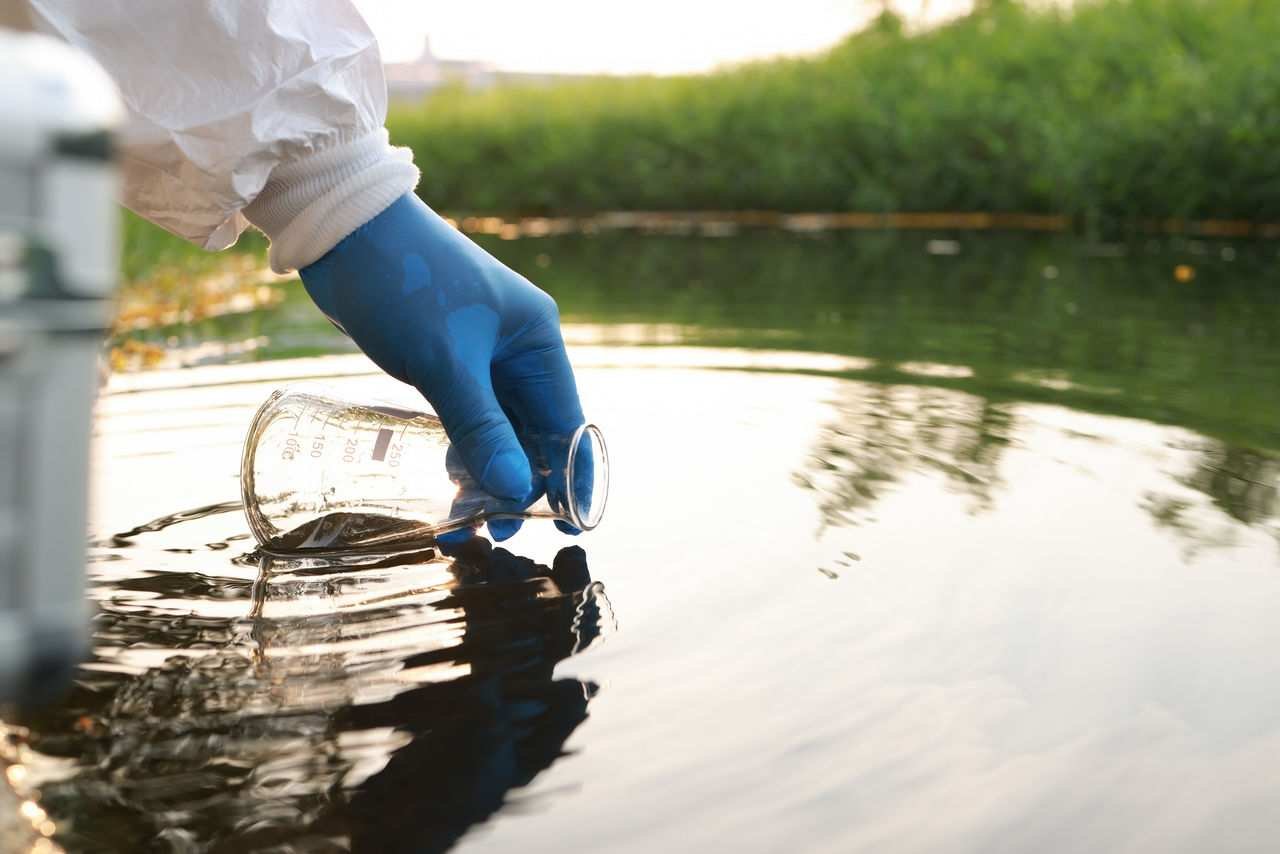
This is one reason water testing is more useful than guessing.
Instead of worrying about every possible substance, homeowners can focus on what their own water actually contains.
Testing Gives You a Starting Point
If you’re considering a filtration or treatment system, testing can save you from making an unnecessary purchase.
A basic test may examine characteristics such as hardness, pH, chlorine, iron, or other factors. More comprehensive testing can investigate additional substances when there is a specific reason to do so.
Private well owners may have different testing considerations from households connected to municipal supplies.
The goal isn’t to turn your kitchen into a laboratory. It’s simply to replace assumptions with useful information.
Once you know what you’re dealing with, choosing a treatment approach becomes much easier.
Not Every Water Problem Needs the Same Solution
This is where homeowners sometimes get confused.
A sediment filter is designed for particles. Carbon filtration may help with taste, odor, and certain substances. A water softener addresses hardness, while reverse osmosis can reduce many dissolved substances from a treated water stream.
These technologies aren’t interchangeable.
If scale is covering your faucets, a sediment filter probably isn’t the answer. If your main complaint is chlorine taste, installing a water softener won’t solve it. Related: It Starts with the Water: Why Installing a Softener Changes More Than You Expect
Choosing treatment based on the actual problem is usually more effective—and often more economical.
Maintenance Shouldn’t Be Forgotten
Once a filtration system is installed, regular maintenance becomes part of the deal.
Filters eventually become saturated and need replacement. Some systems require cleaning or periodic inspection. Waiting until water tastes unusual or flow becomes extremely slow isn’t always the best approach.
Keep a simple record of filter changes. Set a reminder on your phone if necessary.
It’s a small task, but it helps keep equipment working as intended.
A Little Knowledge Makes Water Decisions Easier
Water doesn’t need to be mysterious.
If you notice particles, unusual taste, or changes in odor, start by identifying the possible cause. Test the water when appropriate, understand the source, and then choose a treatment method that matches the issue.
Sediment, chlorine, and other contaminants can affect household water in different ways, but none of them should automatically lead to panic or unnecessary equipment purchases.
The smartest approach is fairly simple: know your water, understand the problem, and choose treatment accordingly. After all, the best water system isn’t the one with the most features. It’s the one that quietly solves the problem you actually have.