Let’s be honest—most of us don’t think much about the water flowing out of our taps… until something starts feeling a little off. Maybe your white laundry’s coming out dingy yellow. Maybe your morning coffee tastes strangely metallic. Maybe there’s a crusty buildup around every single faucet in your house that refuses to budge no matter how hard you scrub.
That’s when the realization hits: you’ve got water issues. And not the “just deal with it” kind. The kind that creeps into daily life and makes everything—your hair, your appliances, your peace of mind—a bit more frustrating. Related: The Little Things Your Water Is Trying to Tell You (And Why They Matter More Than You Think)
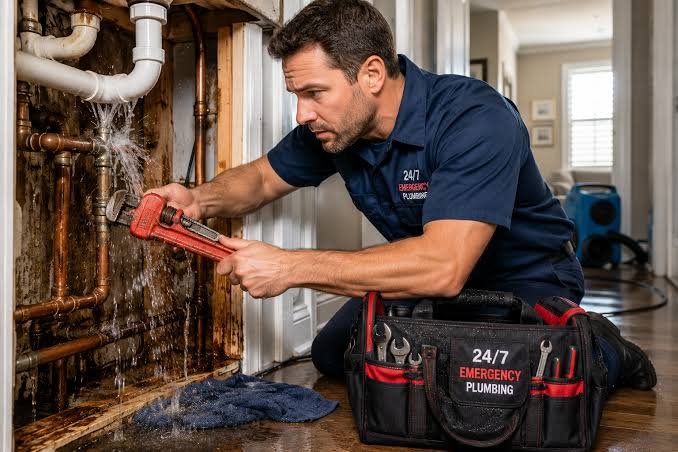
This isn’t just about personal preference, either. Water problems can lead to long-term damage if left unchecked. Pipes corrode. Appliances break. And you’re left footing a bill that never had to happen.
So, let’s get into it. Not with a cold, hard guide full of jargon, but like a friend walking you through the mess, one step at a time.
The Subtle Signs You Shouldn’t Ignore
You might not see anything wildly wrong at first. That’s the trickiest part. Water issues don’t usually shout. They whisper.
Soap not lathering like it used to? Showers leaving your skin tight and itchy? Faucets looking like they’ve been through a dust storm, even after cleaning?
These are more than just annoyances—they’re symptoms. And if your shampoo isn’t working the way it should, chances are your dishwasher, washing machine, and water heater are struggling too. Related: Why Better Water Starts With Understanding What’s in Your Home’s Supply
A good place to start? Your water’s hardness level.
What Even Is Hard Water?
Despite the name, it’s not going to come out in chunks. Hard water just means your water has a high concentration of minerals—mainly calcium and magnesium. And while those minerals aren’t necessarily harmful to your health, they’re brutal on your home.
Think of it like this: every time water flows through your pipes, those minerals are tagging along, sticking to surfaces, slowly layering up like plaque on your teeth. That’s why you’ll see cloudy spots on your glassware, white crust on showerheads, and soap scum that feels impossible to rinse away.
Over time, hard water shortens the lifespan of your appliances and causes energy bills to climb. Why? Because when your water heater’s coated in mineral buildup, it has to work twice as hard just to get the job done. Related: Better Drinking Water Starts With the Right Filtration Choices
The Rusty Truth About Iron in Your Water
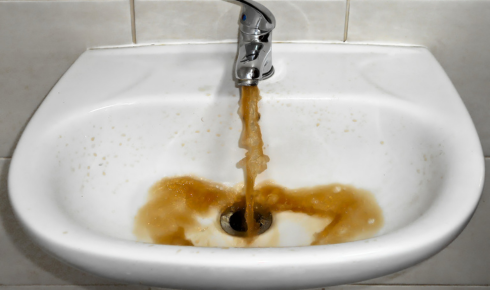
Now, if your sinks and tubs are stained a nice reddish-brown despite your best cleaning efforts, you’re probably dealing with something else altogether—iron.
Iron & rust in water aren’t just cosmetic problems. Sure, they’ll ruin your favorite white shirts and make your bathroom fixtures look like a horror film set, but iron in your water can also leave a metallic taste, clog filters, and mess with your plumbing over time.
And if you’ve got that unmistakable rotten egg smell wafting up from the tap? That’s often sulfur interacting with the iron—bonus issue! (Don’t you love how water problems rarely come solo?)
The source? Often it’s your private well, but even municipal water supplies can contain trace amounts, especially if your home has older plumbing or sits on iron-rich soil.
What You Can Actually Do About It
Here’s the good news: these issues aren’t just “part of life” or things you have to live with. There are solutions—and no, they don’t involve replacing your entire plumbing system or moving to a new house.
Let’s start with softeners. Water softeners are a godsend for mineral-rich water. They swap out calcium and magnesium for sodium (or potassium), effectively preventing scale buildup and giving you cleaner dishes, softer laundry, and a break from scrubbing faucets every other day. Related: A Glass of Water, Reconsidered: Why What You Drink Matters More Than You Think
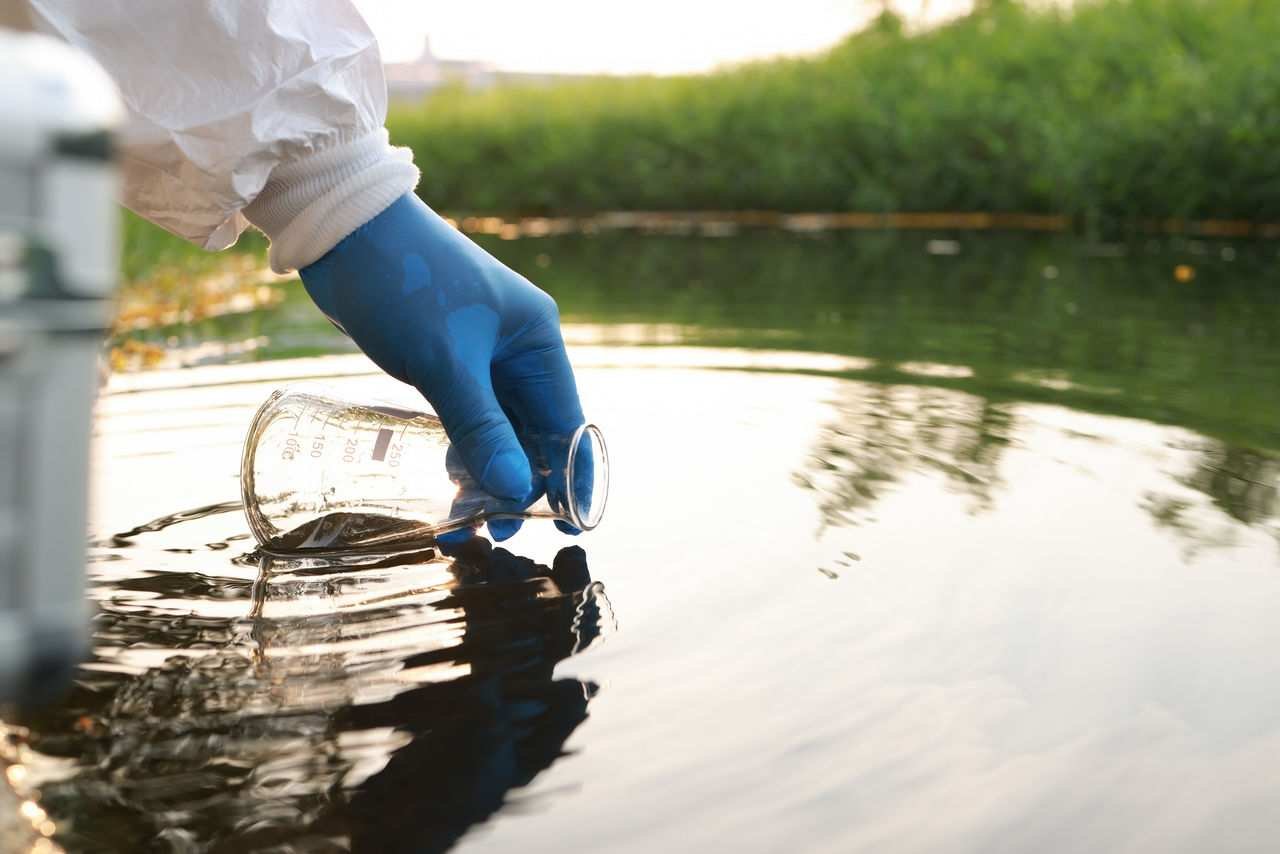
For iron and rust, there are specific filters—oxidizing filters, sediment filters, or even chemical injection systems depending on your water levels. A basic test will tell you how much iron you’re dealing with and what kind of system would be most effective.
And if you’ve got multiple issues (which is super common), hybrid systems exist too—combining softening, filtration, and sometimes even UV disinfection if microbes are a concern. Related: It Starts with the Water: Why Installing a Softener Changes More Than You Expect
A Little Maintenance Goes a Long Way
Getting a water treatment system is only the beginning. Just like a car, your system needs regular checkups.
Change filters when they’re due. Get your water tested once a year (or more often if you’re on a well). Keep an eye out for changes in smell, taste, or pressure.
It’s not glamorous, but it’s better than being caught off guard with a clogged water heater or a flooded laundry room.
Wrapping It All Up
Water is such a quiet part of our lives that when it misbehaves, it throws us off. It’s in every shower we take, every pot of rice we cook, every sip we drink without thinking.
So when your water starts leaving clues—spots on glasses, funny tastes, weird smells—don’t ignore them. Listen. Act.
Addressing water problems early means fewer repairs, happier appliances, and better peace of mind. Whether you’re battling hard water or scrubbing away the impact of iron & rust in water, there’s a fix out there—and chances are, it’s simpler than you think.