There’s something weirdly satisfying about grabbing a cold, crisp bottle of water that claims to be “alkaline.” The label is clean, the bottle feels premium, and there’s a number on it — pH 9.5 — like it’s part science experiment, part wellness ritual. But if you’re like me, you might’ve found yourself wondering mid-sip… wait, what does that even mean?
I’ve been hearing about alkaline water for years now. It’s the go-to hydration for fitness influencers, yoga instructors, and half the people in your Instagram feed. But behind all the branding and buzz, there’s a surprisingly simple concept. And once you get past the hype, the real question becomes: Is it actually better than regular water? Related: When Clean Water Becomes a Priority: How to Take the First Step with Confidence
Let’s dive in.
The Basics: What Are We Even Talking About?
First things first: what is alkaline water?
At its core, it’s water that has a higher pH level than standard drinking water. That’s it. Nothing fancier than that, though some brands might make it sound like liquid magic. Regular tap water usually has a pH around 7 — neutral. Alkaline water typically clocks in between 8 and 10 on the pH scale, making it less acidic and a bit more “basic,” chemically speaking.
Some alkaline water comes from natural sources — think mountain springs rich in minerals. Others are enhanced through a process called ionization, or by adding minerals like calcium, magnesium, and potassium. Either way, the idea is that this water is smoother, better-tasting, and maybe even better for your health. Related: Clean Water, Clear Conscience: Rethinking How We Purify What We Drink
So… What pH Is Alkaline Water, Exactly?
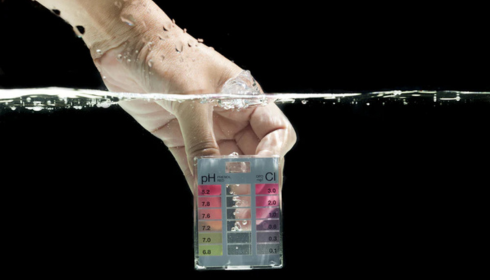
Ah yes, the numbers. That mysterious “9.0” on the label isn’t just decoration. It’s a snapshot of the water’s place on the pH scale, where 0 is battery acid (nope), 7 is neutral (good old tap water), and 14 is lye (also nope).
So, what pH is alkaline water supposed to be? Generally, anything over 7 counts as “alkaline,” but most bottled brands hover in the 8.0–9.5 range. The higher the number, the more “alkaline” it is — though that doesn’t necessarily mean better.
Some people claim that the higher the pH, the more it helps balance your body’s internal acidity. But here’s the thing — your body already does that balancing act all on its own. Your blood stays at a tight pH of around 7.4 no matter what you drink. So unless you’re guzzling lemon juice or vinegar every day, your body’s probably just fine.
My Experience: From Skeptic to Slightly Obsessed
I’ll be honest — I was skeptical at first. The first time I tried a bottle of alkaline water, I rolled my eyes. “Water is water,” I said to no one in particular.
But after a few weeks of casually swapping my usual filtered water for high-pH alternatives, I noticed something. The water did taste a little better. Smoother, maybe? Less metallic? More hydrating? Could be placebo. Could be real. Either way, I drank more water. And that’s not nothing. Related: Better Drinking Water Starts With the Right Filtration Choices
I even started bringing a bottle to the gym and stashing one in the car. It became part of the routine — a little wellness ritual that felt… grown up, in a weird way.
Why the Fuss? Let’s Talk About the Claims
Now, we’ve all heard the big promises: alkaline water neutralizes acid in the body, boosts energy, slows aging, improves digestion, and maybe even makes you better at yoga (okay, maybe not the last one).
But most of those claims come from anecdotal evidence. There are a few small studies suggesting benefits for acid reflux and better hydration after intense physical activity. But overall? Science is still catching up. Related: The Quiet Comfort of Drinking Water You Don’t Have to Think Twice About
The more grounded truth is this: alkaline water pH plays a small role in how the water tastes and feels. It’s not going to cure all your problems or turn you into a superhuman, but it might help you drink more water consistently. And for most people, that’s a win.
The Taste Test
I once did a blind taste test with friends. I poured regular filtered tap water into one glass and a brand-name alkaline water into another. Without knowing which was which, most of them picked the alkaline one as “cleaner” and “less harsh.”
Was it psychological? Probably. But hey, if a small mental trick makes you reach for your water bottle more often, I’d call that a wellness hack worth keeping.
Also, not all alkaline waters are the same. Some taste earthy, others almost sweet. It depends on the minerals added and how they got there. If you’re going to try it, sample a few brands. You’ll know pretty quickly which one’s your style. Related: The Little Things Your Water Is Trying to Tell You (And Why They Matter More Than You Think)
Should You Make the Switch?
Honestly, it comes down to this: if you’re already drinking plenty of water, eating well, and feeling good — you’re doing just fine. But if you’re someone who struggles to stay hydrated or just wants something that tastes a little better (or feels a bit fancier), alkaline water might be worth the experiment.
Just don’t fall into the trap of thinking it’s a magic potion. It’s water — with a bit of a makeover.
Final Thoughts: It’s Just Water… Kind Of
In the end, I think alkaline water lives somewhere between health trend and personal preference. It’s not a miracle. But it’s not a gimmick either — at least not entirely.
If you like the taste, the feel, or the way it fits into your wellness routine, go for it. And if not? That’s okay too. Regular water still has your back.