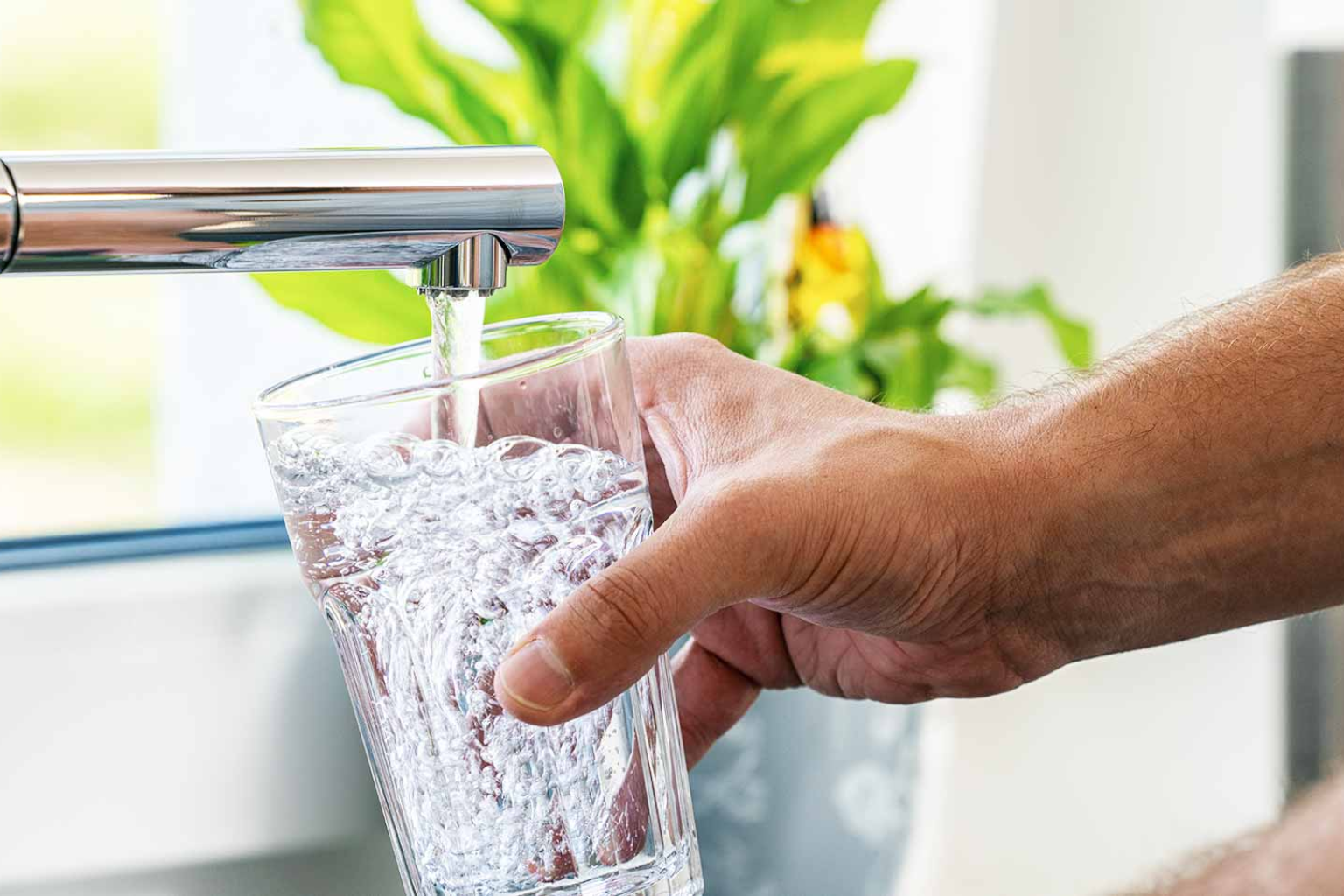
Let’s be honest — water is one of those everyday things we rarely question… until we do. Maybe you just moved to Nashville, maybe you’re visiting, or maybe your faucet suddenly smells like a pool. Whatever the reason, at some point, we all end up asking the same simple, nagging question: Is it okay to drink the tap water here?
And if you’re in Music City, that means you’re probably wondering about the safety, quality, and quirks of tap water in Nashville.
Well, grab a glass (or don’t — we’ll let you decide), and let’s walk through it, human-style. No scary charts, no robotic government lingo — just a down-to-earth look at what’s really flowing through your pipes.
A Quick Look at Where Nashville’s Water Comes From
Before we get into whether it’s good or gross, let’s start at the beginning. Nashville gets its drinking water from the Cumberland River, which slices through the heart of the city. It’s a surface water source — meaning it’s exposed to the environment — unlike underground wells, which are naturally shielded.
That exposure means there’s a little more to worry about: things like runoff from storms, agriculture, urban pollution, and industrial stuff can all sneak into the mix. But before you panic, know this — Metro Water Services (MWS), Nashville’s water authority, treats it thoroughly before it ever reaches your sink.
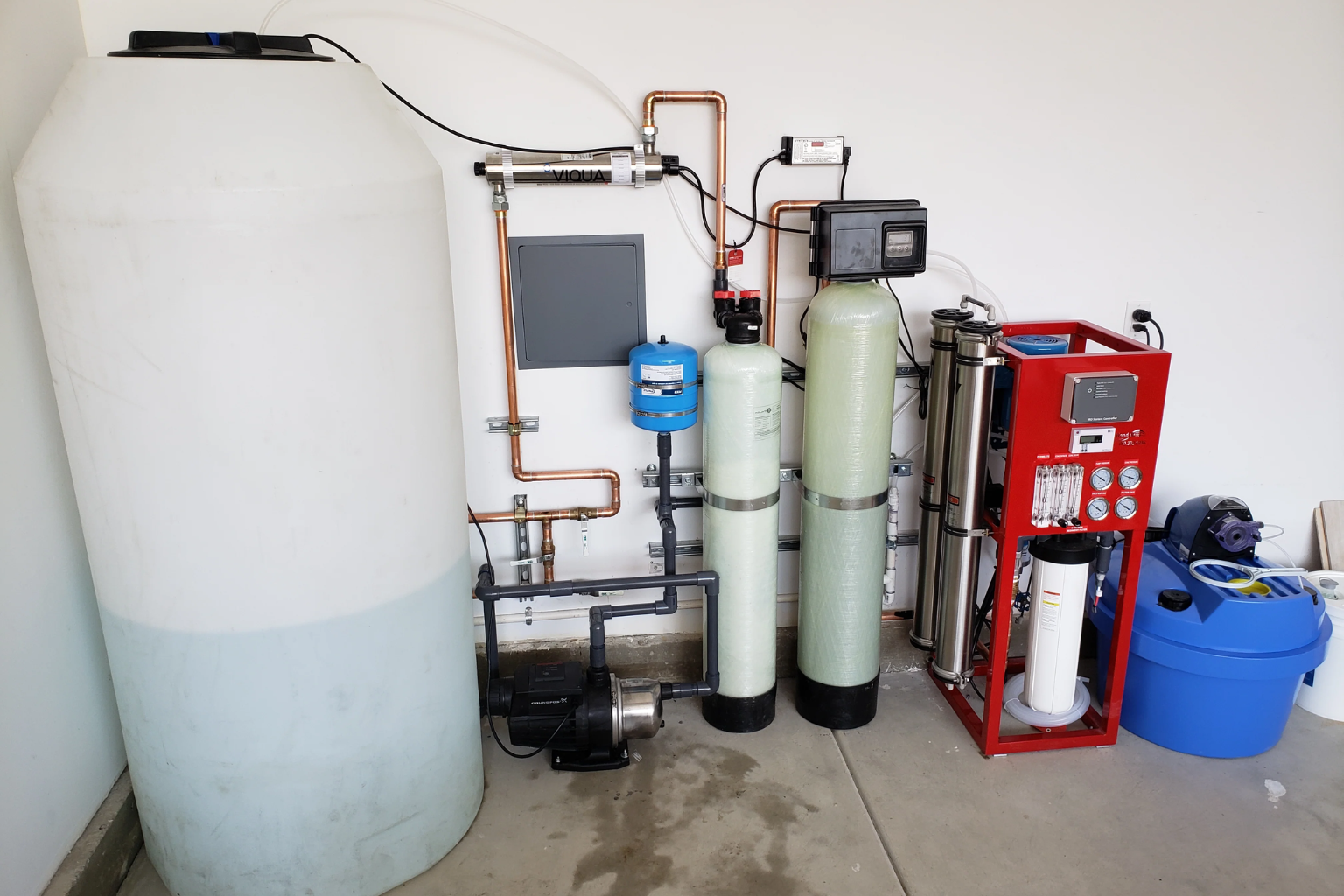
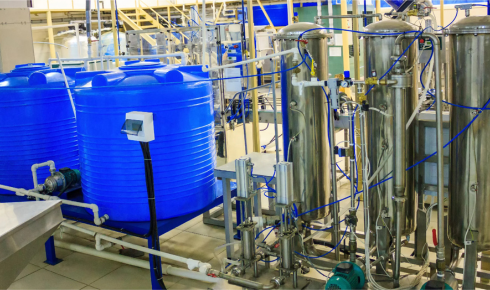
They use a multi-step process that includes filtration, coagulation, sedimentation, and disinfection. Basically, a fancy version of what your Brita pitcher does — but on a much larger scale.
So technically speaking, the water is cleaned, tested, and monitored. But is it perfect? Let’s keep going.
Is the Tap Water in Nashville Safe?
Here’s the short answer: Yes. Tap water in Nashville meets all federal and state safety regulations. Metro Water Services conducts regular testing in accordance with Environmental Protection Agency (EPA) standards. That includes checking for bacteria, lead, chlorine byproducts, nitrates, and more.
Each year, MWS publishes a Consumer Confidence Report — a detailed look at exactly what’s in the water and how those numbers stack up against safety limits. The most recent reports haven’t shown any major violations, which is reassuring.
But if you’ve ever smelled a bit of bleach from your faucet or noticed a slight haze in your water glass, you’re not imagining things. Just because water is legally “safe” doesn’t always mean it looks, smells, or tastes appealing.
The Taste Test: What Locals Really Say
Alright, let’s be real for a second. Regulations aside, a lot of people say tap water Nashville has a weird taste. Some describe it as “chemically,” others say it’s got a strong chlorine smell — especially early in the morning or right after turning on the tap.
That’s because MWS disinfects the water using chloramine, a combo of chlorine and ammonia. It’s common across the U.S. and considered safer for distribution systems than plain chlorine, but it can alter flavor and scent.
Some locals say they’ve adjusted and don’t mind it. Others wouldn’t dare sip straight from the faucet without a filter in place. If you’ve got a sensitive palate (or a coffee snob in the house), a basic pitcher filter can help smooth things out.
What About Contaminants?
Now, here’s the biggie. People hear “Cumberland River” and immediately think about agricultural runoff, road salt, or even industrial waste — fair concerns.
But so far, Tennessee tap water — particularly in Nashville — has been closely monitored for contaminants like:
- Lead
- Copper
- Nitrates & nitrites
- Disinfection byproducts (like trihalomethanes)
- Bacteria like coliform
- Chlorine and chloramine levels
According to the city’s most recent water reports, all of these substances have tested well below the EPA’s legal limits. That said, “below legal limits” doesn’t necessarily mean “none at all.”
For example, lead isn’t naturally present in water but can leach in through aging pipes and solder joints — particularly in homes built before 1986. MWS does corrosion control to reduce this risk, but if you live in an older house, it’s still smart to test your water or use a certified filter just to be safe.
Hard Water and Home Habits
Another thing many Nashville residents notice? Hardness. Yep, the water here is moderately hard — meaning it contains noticeable amounts of calcium and magnesium.
Hard water isn’t dangerous. But it can clog up your coffee maker, leave crusty mineral spots on your shower door, and make your hair feel… weird. If you’ve ever noticed soap not lathering well or a white film on your glassware, that’s probably it.
Some folks go as far as installing whole-house water softeners. Others just ignore it or spot-clean their faucets with vinegar now and then. Totally your call.
Should You Filter It?
This one’s kind of a personal choice. If you’re happy with how your water tastes and your home isn’t decades old, you probably don’t need a filter. But if you’re concerned about lead, chlorine, or even trace contaminants like PFAS (which aren’t always listed in annual reports), a decent filter is a smart move.
Here are a few options depending on your vibe:
- Pitcher filters (e.g., Brita, PUR): Great for taste and basic sediment
- Faucet-mounted filters: A quick fix for kitchen use
- Under-sink reverse osmosis: More expensive, but removes most contaminants
- Whole-house systems: A good option if you’re worried about both drinking and showering water
What About Emergencies?
Every so often, you’ll see boil advisories issued in certain Nashville neighborhoods — usually due to pipe breaks or contamination risk during extreme weather. These aren’t common, but they do happen.
If you’re worried, sign up for local emergency alerts through MWS or your county’s emergency management office. It’s an easy way to stay ahead of any issues without relying on nextdoor rumors or guessing.
Final Thoughts: Drink or Skip?
So, where does that leave us?
If you’re wondering whether tap water in Nashville is safe to drink, the answer is — mostly, yes. The city’s treatment system is strong. The testing is regular. And the reports are, for the most part, clean.
But just because the water is technically safe doesn’t mean it’s perfect for everyone. Taste preferences, home plumbing, and personal health concerns can all factor in. That’s why some Nashvillians fill their glasses straight from the tap, while others wouldn’t drink it without a filter.