You don’t expect water to have a personality. Most of the time, it quietly flows from the tap without asking for attention. Then one morning you turn on the faucet to fill a kettle or brush your teeth, and something feels off. Maybe there’s an unusual odor drifting from the sink, or perhaps the shower has a smell that wasn’t there yesterday. Suddenly, something you rarely think about becomes impossible to ignore.
The good news is that strange-smelling water doesn’t always indicate a serious health concern. In many cases, it’s simply your home’s way of letting you know that something has changed. Understanding why these odors develop can help you decide whether the issue is temporary, related to your plumbing, or worth investigating further.
Water Doesn’t Always Stay the Same
Many homeowners assume their tap water remains identical throughout the year, but that’s rarely true.
Municipal treatment processes adjust with seasonal conditions, groundwater naturally changes over time, and plumbing systems age. Even heavy rainfall or maintenance on local water lines can temporarily alter how water smells or tastes. Related: A Honest Look at Florida’s Strange Water Smell: What’s Normal, What’s Not, and Why It Happens
Private wells experience even greater variation because underground water is constantly influenced by surrounding soil, rock formations, and environmental conditions.
That’s why water that seemed perfectly normal a month ago may suddenly feel noticeably different today.
One of the Most Common Complaints Is a Sulfur Smell
Among all household water concerns, a sulfur smell is one of the most recognizable.
People often describe it as similar to matches, sulfur springs, or damp minerals. In many homes, this odor develops because naturally occurring hydrogen sulfide gas has dissolved into groundwater. It’s particularly common in private wells, although municipal customers may occasionally notice it under certain conditions as well.
Sometimes the smell only appears when using hot water, which can point toward reactions occurring inside the water heater rather than the incoming water supply.
That small detail can make troubleshooting much easier.
Why People Describe It as a Rotten Egg Smell
When hydrogen sulfide is responsible, homeowners frequently notice what they call a rotten egg smell.
It’s a surprisingly accurate description.
Although the odor can be unpleasant, the presence of hydrogen sulfide at low concentrations doesn’t automatically mean your water is unsafe. However, it can affect drinking water quality, cooking, beverages, and the overall enjoyment of using water throughout the house. Related: It Starts with the Water: Why Installing a Softener Changes More Than You Expect
If the smell becomes stronger over time or suddenly appears without explanation, professional testing is a smart next step to identify the exact cause rather than relying on assumptions.
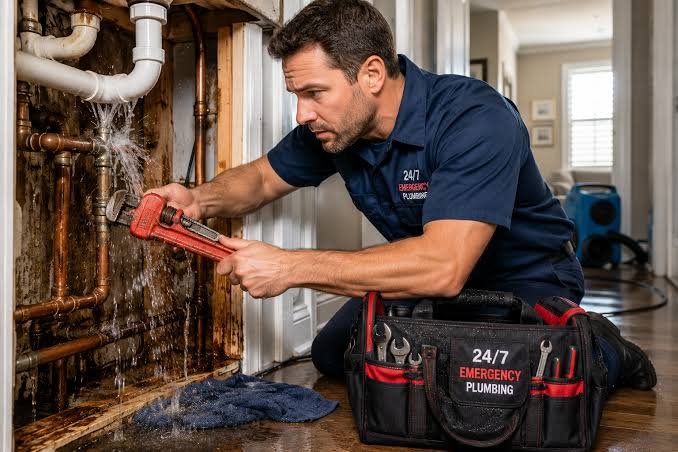
Sometimes the Plumbing Is the Real Problem
Not every unpleasant odor begins with your water source.
Older plumbing systems, stagnant water sitting in unused pipes, bacteria growing inside drain traps, or sediment collecting in water heaters can all contribute to unusual smells.
An easy way to narrow the cause is to determine where the odor appears.
If only one faucet smells, the issue may be local to that fixture. If every tap produces the same odor, the water supply itself deserves closer attention. Related: The Little Things Your Water Is Trying to Tell You (And Why They Matter More Than You Think)
Paying attention to these patterns often helps identify the problem much faster.
Seasonal Changes Can Influence Water Odors
Many homeowners notice unusual smells during certain times of the year.
Warmer temperatures can encourage naturally occurring bacteria to become more active, while heavy rainfall sometimes introduces additional organic material into groundwater supplies.
Municipal water utilities occasionally adjust treatment processes during seasonal changes, which may slightly affect the taste or odor of drinking water even while maintaining safety standards.
These temporary changes often disappear within a short period, but persistent odors should never be ignored.
Living with Smelly Water Isn’t Something You Have to Accept
Many families assume smelly water is simply part of owning an older home or relying on a private well.
Fortunately, that’s rarely true.
Modern treatment technologies can successfully address many odor-related concerns once the underlying cause has been identified. Activated carbon filtration, oxidation systems, aeration equipment, specialized filtration, or water heater maintenance may all play a role depending on the specific situation.
The important part is choosing a solution based on accurate testing rather than guessing.
Every water source is different, so every solution should be too.
Testing Removes the Guesswork
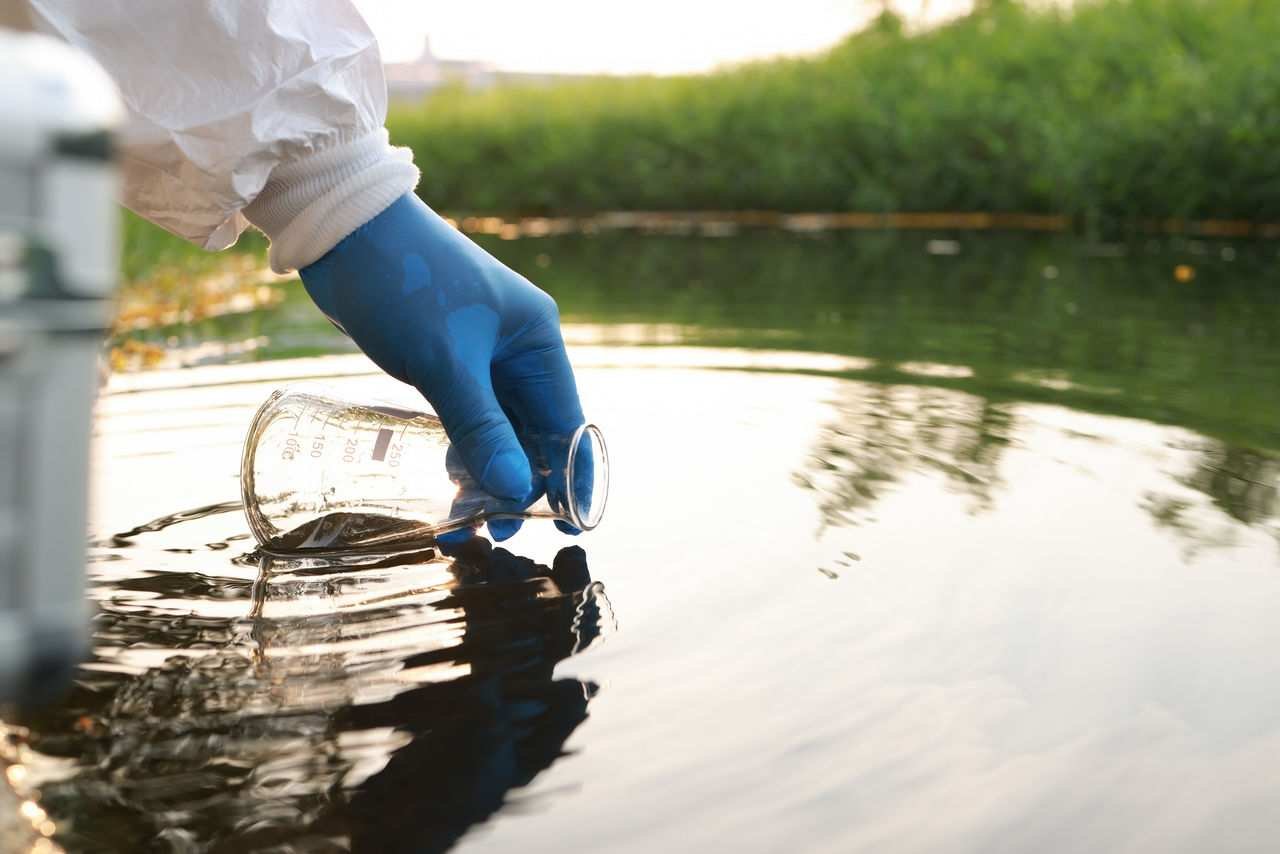
Water odors can have several possible causes, which is exactly why professional testing is so valuable.
A thorough analysis can identify hydrogen sulfide, iron bacteria, manganese, sulfur compounds, pH levels, dissolved minerals, and other characteristics that influence both odor and overall water quality. Related: From Faucets to Filters: Making Home Water & Air Systems Work for You
Testing provides facts instead of assumptions.
That information allows homeowners to choose targeted treatment rather than spending money on equipment that may not solve the actual problem.
It’s often the fastest path toward cleaner, better-smelling water.
Better Water Improves Everyday Life
Once unpleasant odors are addressed, homeowners frequently notice improvements extending well beyond the smell itself.
Drinking water becomes more enjoyable. Coffee and tea taste cleaner. Cooking feels more appealing, and showers become a far more pleasant experience.
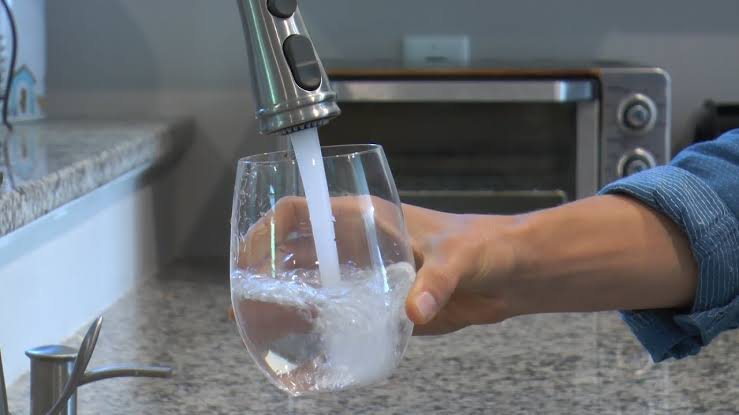
Guests stop commenting on unusual odors, and you no longer hesitate before filling a glass directly from the kitchen faucet. Related: Better Water, Better Life: Why Local Water Services Matter More Than You Think
Those small changes quietly improve everyday comfort throughout the home.
Listening to Your Water Is Always Worth It
Water has an interesting way of communicating when something changes. An unusual odor may seem like a minor inconvenience at first, but it’s often the first clue that your home’s water deserves a closer look.
Whether the cause turns out to be naturally occurring sulfur compounds, a water heater issue, plumbing conditions, or seasonal changes, understanding the source allows you to respond with confidence instead of uncertainty.
After all, water is something your family depends on every single day. Taking the time to investigate unusual smells isn’t just about convenience—it’s about creating a home where every glass, every shower, and every faucet feels clean, fresh, and reliable.
Sometimes the biggest improvement starts with simply paying attention to what your water has been trying to tell you all along.