
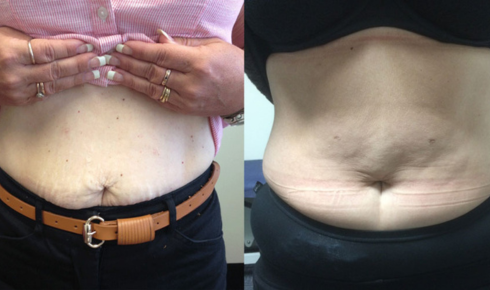
There’s something quietly powerful about transformation stories — not the ones glamorized in glossy magazines, but the real ones. The kind that starts with hesitation, with fear, and ends with newfound strength. That’s often how people describe their experience with bariatric sleeve before and after surgery. It’s not just about losing weight; it’s about rediscovering life, one meal, one decision, one moment at a time.
A Slow Start, A Brave Decision
No one wakes up one morning and decides to have bariatric surgery on a whim. It’s a process — months of doctor visits, lifestyle adjustments, and endless questions. Most people start this journey because diets have failed them, or their health has become a ticking clock. It’s rarely about vanity; it’s survival dressed as hope.
Before the surgery, patients often face emotional turbulence. Anxiety about the procedure mixes with guilt — the kind that comes from years of struggling with food and body image. But once they learn the science behind the sleeve — how it reshapes the stomach to limit intake — something clicks. It’s not cheating. It’s a medical tool, a reset button offered by modern medicine.
The Early Days: Pain, Change, and Patience
Post-surgery isn’t easy. The body feels alien for a while. You wake up groggy, sore, and uncertain. Food becomes a cautious experiment. A spoonful of soup feels like a full meal. Water has to be sipped slowly, not gulped. Yet, even in those first fragile days, people start noticing subtle changes — less hunger, more control, and a lightness, not just physical but emotional.
The first few weeks are about adapting. Protein shakes replace meals. Movement is encouraged, but gently. Sleep helps the body heal. The biggest change, though, happens in the mind. Food, once an emotional crutch, begins to lose its hold. There’s a strange sense of freedom in that.
The Visual Transformation
Within a month or two, numbers on the scale start dropping faster than expected. Clothes fit differently. Faces soften, shoulders stand taller. It’s almost surreal. Friends notice, family members comment, and the person in the mirror begins to look like someone you used to dream of being.
That’s the magic of this journey. For many, looking at their gastric sleeve before and after 6 months photos feels unreal — the roundness gone, the eyes brighter, posture stronger. But it’s not just about appearance. The biggest glow comes from within. Energy levels rise. Walking no longer feels like a chore. Stairs don’t win anymore.
Still, it’s not all sunshine. Some days bring frustration — plateaus in weight loss, cravings for old comfort foods, or the occasional pang of regret when social meals feel complicated. But these moments don’t define the journey; they shape it. Related: It Starts with the Water: Why Installing a Softener Changes More Than You Expect
The Emotional Rollercoaster
There’s something people rarely talk about — the emotional aftermath. When your relationship with food changes, so does your relationship with yourself. Suddenly, all the emotions that food once numbed start surfacing. Loneliness, stress, even joy — everything feels raw again.
Therapy, support groups, and journaling become lifelines. And as the months pass, emotional balance returns, steadier this time. The focus shifts from “how much I lost” to “how much I’ve gained.” Confidence. Health. Self-respect.
The Scars Tell a Story
Every surgery leaves a mark — small, deliberate, and meaningful. Some patients worry about their sleeve gastrectomy gastric sleeve scars before and after comparison. But most find them less intimidating than imagined. Tiny incisions fade into faint reminders of where change began.
Many even call them “badges of honor.” After all, these scars aren’t flaws. They’re proof of courage — physical evidence of choosing life over comfort, discipline over indulgence. A reminder that healing often requires visible marks.
The Six-Month Reality
By the six-month milestone, the transformation becomes deeply visible — not just on the outside but in daily habits. Meals are smaller but more mindful. Exercise, once dreaded, becomes a celebration of movement. Many find their medical conditions improving too — lower blood pressure, reduced diabetes symptoms, fewer medications.
Social life changes as well. Confidence blooms. Old insecurities start to dissolve. People who once avoided cameras now post selfies proudly. And that’s not vanity — it’s victory. Related: When Clean Water Becomes a Priority: How to Take the First Step with Confidence
Beyond the Physical
Weight loss might have been the initial goal, but what people often discover is something far more profound. The surgery teaches patience. Discipline. Gratitude. It redefines one’s relationship with the body — not as an enemy, but as a partner.
Many patients describe it as “getting a second chance.” They learn to listen — to hunger cues, to mental triggers, to emotional needs. They start prioritizing rest, hydration, and mental peace. Slowly, self-love begins to replace self-criticism.
Challenges Along the Way
It would be unfair to paint this journey as effortless. There are bumps — hair thinning, loose skin, vitamin deficiencies, or occasional digestive issues. But none of these compare to the weight of old limitations. Every challenge comes with a solution, every discomfort with a reward.
Support systems matter. Family encouragement, medical guidance, and online communities help sustain motivation. And when setbacks occur — as they sometimes do — it’s the memory of that “before” photo that reignites the will to keep going.
The New Normal
Eventually, the “after” becomes everyday life. Meals normalize, scars fade, and self-image stabilizes. The person who once felt trapped in their own body now walks lighter, eats consciously, and smiles without hesitation.
That’s the essence of this journey — not perfection, but progress. It’s about realizing that health isn’t a number on a scale; it’s how you feel when you wake up, how deeply you breathe, how fully you live. Related: When Better Water Starts at Home: What Most People Don’t Know About Installing Water Systems
Final Thoughts
Bariatric sleeve surgery isn’t a shortcut — it’s a commitment. A lifelong pact with yourself to do better, live better, and be better. The before-and-after photos only tell part of the story; the real transformation happens quietly, in daily choices, in self-belief, and in resilience.
If you ever find yourself staring at your reflection, wondering if it’s possible to start over, remember this: it’s not about becoming someone new. It’s about uncovering the version of you that was always meant to shine.
Because behind every successful transformation lies not just medical science — but courage, patience, and heart. And sometimes, that’s all it takes to change everything.